
Key takeaways
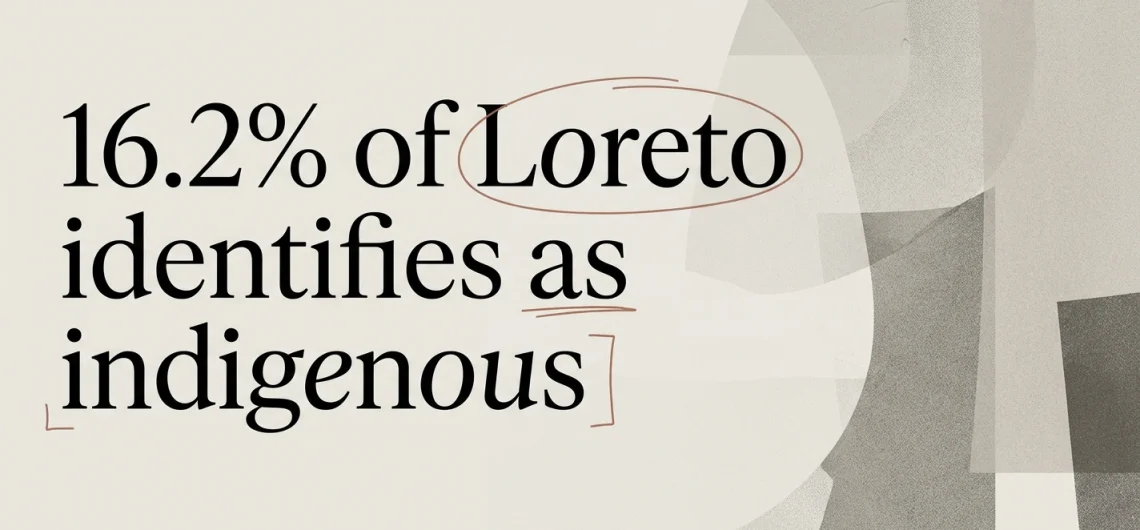
- In Loreto, 16.2% of residents self-identify as native Amazonian peoples, rising to 42.9% in rural areas (INEI 2025 census).
- A respectful Amazon indigenous community visit means asking before photographing, buying crafts directly, and following your host's lead.
- Peru recognizes 55 indigenous peoples, 51 of them in the Amazon, so no single community represents the whole region (UNESCO, 2024).
- Tourism supports local livelihoods when money reaches families directly through crafts, guiding fees, and community-run lodging.
- Authentic exchange is quiet and ordinary, built on conversation and shared daily tasks rather than staged performance.
An Amazon indigenous community visit is a short, invited stop at a riverside or forest village where you meet residents, learn about daily life, and buy crafts directly from the people who make them. Done well, it is calm and unhurried, closer to visiting a neighbor than watching a show. This guide explains what these visits look like in Loreto, how to behave as a guest, and how your presence can genuinely help the families who welcome you.
Loreto is the heart of this story. In 2025, the region recorded roughly 1,033,000 residents, and 16.2% of them self-identified as native or indigenous Amazonian peoples, a share that climbs to 42.9% in rural areas (INEI, 2025). Those numbers matter because they shape who you are likely to meet along the rivers near Iquitos.
Understanding the cultural context of riverside and forest communities
Riverside communities in Loreto are shaped by water, season, and family ties. Homes sit on stilts or float, because the river rises and falls by several meters each year. Many residents are ribereños, people of mixed heritage who live along the banks, while others belong to recognized indigenous peoples with their own languages and histories.
Peru is far more diverse than most visitors expect. The country officially recognizes 55 indigenous peoples, and 51 of them live in the Amazon (UNESCO, 2024). So a single village near Iquitos cannot stand in for the whole region. The Kukama, Bora, Yagua, and others each have distinct customs, and treating them as interchangeable misses the point of visiting at all.
Language carries that diversity. Peru counts 48 indigenous languages, 44 of them Amazonian, and 21 are at risk of disappearing, according to UNESCO. When a host speaks to their children in a heritage language, you are hearing something fragile and alive.
This population is also young. UNESCO reports that more than half of the Amazon's indigenous people are between 15 and 29 years old. The person guiding you through a village may well be in their twenties, balancing tradition with phones, school, and plans to study in the city.
What does a respectful community visit look like?
A respectful Amazon indigenous community visit follows the host's lead, not the tourist's schedule. You arrive by boat, greet people, and let the community decide the pace. According to UNESCO (2024), Peru's 51 Amazonian peoples each hold distinct customs, so good guests ask questions instead of assuming they already understand.
The basic etiquette is simple and worth memorizing. Ask before taking photographs, and accept a "no" without pushing. Keep your voice down near homes. Do not wander into houses or gardens uninvited. If you want to give something, hand it to an adult or the community leader rather than to children directly.
Timing shapes the experience too. Visits tend to feel more natural in the morning, when people are already busy with fishing, cooking, and chores, and you can watch real work rather than a pause arranged for guests. The season changes river access and daily rhythms, so a flexible itinerary leaves room for a community stop.
The best visits are short enough to stay welcome and long enough to have a real conversation. An hour or two is often plenty. You leave before you become a burden, and the community keeps control of its own day.
Crafts, traditions, and daily life you will learn about
Most of what you learn on a community visit is ordinary daily life, and that is the point. You might watch someone weave a basket from chambira palm fiber, grate yuca, or mend a net. These are working skills, passed down at home, not performances staged for cameras.
Crafts are where tradition meets livelihood. Artisans sell carved wood, seed jewelry, woven bags, and natural dyes made from forest plants. Buying directly from the maker puts money straight into a household, and it is usually the single most useful thing a visitor can do. Ask about the piece, and you will often get the story of the plant or animal behind it.
Food and medicine tell their own stories. Hosts may point out plants used for fevers, cuts, or insect bites, knowledge built over generations of living in the forest. Much of that forest knowledge connects to the animals and plants you encounter elsewhere on a trip.
Children and elders anchor the community. With more than half of the Amazon's indigenous population aged 15 to 29 (UNESCO, 2024), you often see several generations working side by side. Watching a grandmother teach a teenager to weave is a quiet reminder of how culture actually survives.
How can tourism support local livelihoods ethically?
Tourism supports local livelihoods when money reaches families directly and the community keeps control of the visit. In Loreto, where 42.9% of rural residents identify as indigenous (INEI, 2025), tourism income can matter a great deal, but only if it is shared fairly rather than captured by outside operators.
The clearest signal of an ethical visit is where the money goes. Ask whether the community agreed to the visit, whether residents are paid for guiding and hosting, and whether craft sales go straight to the makers. Operators who cannot answer those questions plainly are worth a second look.
Fair practice also means restraint. A community should be able to say no to a visit, set limits on numbers, and decide what parts of life stay private. Crowds, fixed daily tourist slots, and pressure to perform can slowly turn a living culture into a backdrop. The goal is a partnership the community would choose again next year.
At Jungle Wolf Expedition, community stops are arranged with the villages themselves, kept small, and built around buying crafts directly and paying local guides fairly. That is the model we think protects both the visitor's experience and the host's dignity.
Setting expectations for authentic cultural exchange
Authentic cultural exchange is usually quieter and more ordinary than travelers expect. You will not find a spectacle. You will find people going about their day who are willing to share a little of it with a respectful stranger. Managing that expectation before you arrive is the key to a good visit.
Come with curiosity and patience rather than a checklist. Some days the fishing is good and people have time to talk. Other days a storm, a funeral, or school exams mean a visit is short or quiet. Flexibility is part of the deal, and a guide who knows the community well can read the room for you.
Language gaps are normal and workable. A few words of Spanish, a smile, and genuine interest go a long way, and your guide bridges the rest. For travelers still weighing how much time to spend in the region, our comparison of a 3-day versus 5-day Amazon jungle tour can help you plan an itinerary with room for an unhurried community stop.
The most meaningful moments are often small: a shared cup of masato, a child showing you a pet, an elder explaining a carving. If you leave having listened more than you spoke, and spent money where it helps, you have done this well.
To plan a trip that includes a respectful community visit, talk with your lodge about which villages they partner with and how those partnerships work, then build your itinerary around their answer.
Frequently asked questions
Is visiting an Amazon indigenous community ethical?
It can be, when the visit is arranged with the community's consent and money reaches residents directly. Choose operators who partner with villages, pay fair fees, and let hosts set the terms of the visit.
What should I bring as a gift when visiting a community?
Ask your guide first. Practical school supplies or fishing line are often welcome, while sweets and used clothing can cause problems. Buying crafts directly is usually the most useful form of support.
Can I take photos of people in the village?
Only after asking and receiving a clear yes. Many residents are comfortable with photos, but some are not, and children's consent should come through an adult. Never photograph inside homes without permission.
How many indigenous peoples live in the Peruvian Amazon?
Peru officially recognizes 55 indigenous peoples, and 51 of them live in the Amazon, according to UNESCO (2024). Loreto alone is home to many distinct groups with different languages and customs.