
Key takeaways
- An Amazon jungle night walk is a short, guided ground-level excursion where frogs, insects, spiders and snakes become far easier to find than during the day.
- Peru's rainforest holds extraordinary amphibian and reptile diversity, which is exactly why the darkness is so productive for wildlife sightings.
- A headlamp, closed shoes, long sleeves and a willingness to stop and listen are the core of a good night walk.
- Guides keep the experience safe by setting pace, spotting animals early and reading the forest, so you can focus on what you are seeing and hearing.
The Amazon you walk through at noon and the Amazon you walk through at night are barely the same place. On an Amazon jungle night walk, a quiet stretch of trail that looked empty by day fills with eyeshine, croaking frogs, hunting spiders and the slow movements of snakes, because most rainforest animals wait for darkness to feed, mate and travel.
This guide explains what you will actually see and hear on a night walk near Iquitos, Peru, how guides keep the outing safe, and what to pack so you get the most out of it. If you have only ever experienced the jungle in daylight, the night shift is where a lot of the real action happens.
Why an Amazon Jungle Night Walk Delivers So Much
Rainforests run on two schedules. Daytime belongs to monkeys, many birds and insects that rely on sight. After sunset, a different cast takes over: creatures that hunt by smell, sound, heat or vibration, and that spend the hot hours hidden under leaves, inside bark or down in the soil.
Darkness also changes the humans in the group. Without the visual overload of a bright forest, your ears take over, and the Amazon turns out to be astonishingly loud at night. The payoff is density. Peru's rainforest is one of the most biologically rich places on Earth, and a surprising share of that life is nocturnal or most active in the cool hours after dusk.
Nearby protected areas make the point. Peru's Manu National Park holds a world record for amphibian and reptile diversity, with 155 amphibian species and 132 reptile species, for a total of 287 species documented in and around the park, according to reporting on the published survey. The concentration is remarkable: researchers noted that the park covers only 0.01 percent of the planet's land area yet houses 2.2 percent of all amphibians and 1.5 percent of all reptiles known worldwide, as summarized in coverage of the study. Night is simply when much of that life shows itself.
Nocturnal Creatures: Frogs, Insects, Snakes and More
The stars of most night walks are the small animals that are nearly impossible to find in daylight.
Frogs. Amphibians are the headline act. Tree frogs cling to leaves at eye level, their throats pulsing as they call. Many have skin patterns that vanish against bark by day but glow under a headlamp beam at night. Listen for the deeper, resonant calls of larger frogs down near the water.
Insects and spiders. Katydids, stick insects, beetles and moths are everywhere once you learn to look. Shine your light low along the trail and you will catch the greenish glint of wolf spider eyes staring back. Larger tarantulas sit at the mouths of their burrows waiting for prey, and columns of ants move across the path on their own schedule.
Snakes. Several Amazon snakes are nocturnal hunters, and a night walk is one of the better chances to see one safely. Guides spot them early, keep the group at a respectful distance and explain which species are harmless and which deserve caution. You watch; you do not touch.
Other visitors. Depending on the night and the season, you may also find caimans with eyes reflecting red along a stream, roosting birds, bats working the air above the canopy gaps, and the occasional nocturnal mammal slipping through the undergrowth.
How Guides Lead a Safe Night Expedition
A night walk is safe because it is guided, not improvised. At Jungle Wolf Expedition, outings leave from the lodge on established trails with a guide who knows the ground in both light and dark.
Good guiding on a night walk comes down to a few habits:
- Pace. The group moves slowly and stops often. Rushing is how you miss animals and how you trip over roots.
- Spotting. Guides sweep their lights at the right height and angle to catch eyeshine and frog calls before anyone else notices them, then bring the group in quietly.
- Positioning. With snakes, spiders and caimans, the guide sets the viewing distance so you get a clear look without disturbing the animal or putting anyone at risk.
- Reading the forest. Experienced guides know which trails flood, where biting insects cluster and when to turn back.
Walks are usually short, often an hour or two close to the lodge, so there is no long trek in the dark. Staying with the guide and keeping the group together is the single most important rule.
What to Bring for a Nighttime Jungle Walk
You do not need much, but a few items make a real difference.
- Headlamp. A head-mounted light keeps your hands free and lets you follow the guide's beam. Bring spare batteries. A handheld flashlight works as a backup.
- Closed shoes. Trail shoes or rubber boots protect your feet and ankles. Sandals are a poor choice at night.
- Long sleeves and long trousers. Lightweight, breathable layers cut down on insect bites and brush.
- Insect repellent. Apply before you set out, and reapply if the walk runs long.
- A small camera or phone. Macro shots of frogs and insects can be stunning, though many guests find it more rewarding to simply watch.
- Water. Even a short walk in Amazon humidity is warm work.
Leave loud gear, strong perfumes and bright white phone screens behind, since they can scatter the very animals you came to see.
The Sounds of the Amazon Night, Explained
Turn your headlamp off for a moment, with your guide's blessing, and the forest becomes a wall of sound. Most of it is easy to decode once you know the players.
- The steady, pulsing chorus is frogs and toads. Different species call at different pitches, and the mix shifts through the night.
- The sharp, rhythmic chirps and buzzes come from katydids, crickets and cicadas, often so loud they seem mechanical.
- Sudden splashes near water are usually fish, caimans or a frog making an exit.
- Rustles in the leaf litter are small animals on the move, from insects to foraging mammals.
- Hoots, whistles and screeches overhead can be owls, nightjars or other night birds.
Part of what makes an Amazon night walk memorable is learning to separate these layers instead of hearing them as one undifferentiated roar. A good guide will stop the group and name the sounds as they happen.
Why Night Walks Are a Highlight for Many Travelers
Ask guests which part of a multi-day stay they remember most and the night walk comes up again and again. There are a few reasons it lands so well.
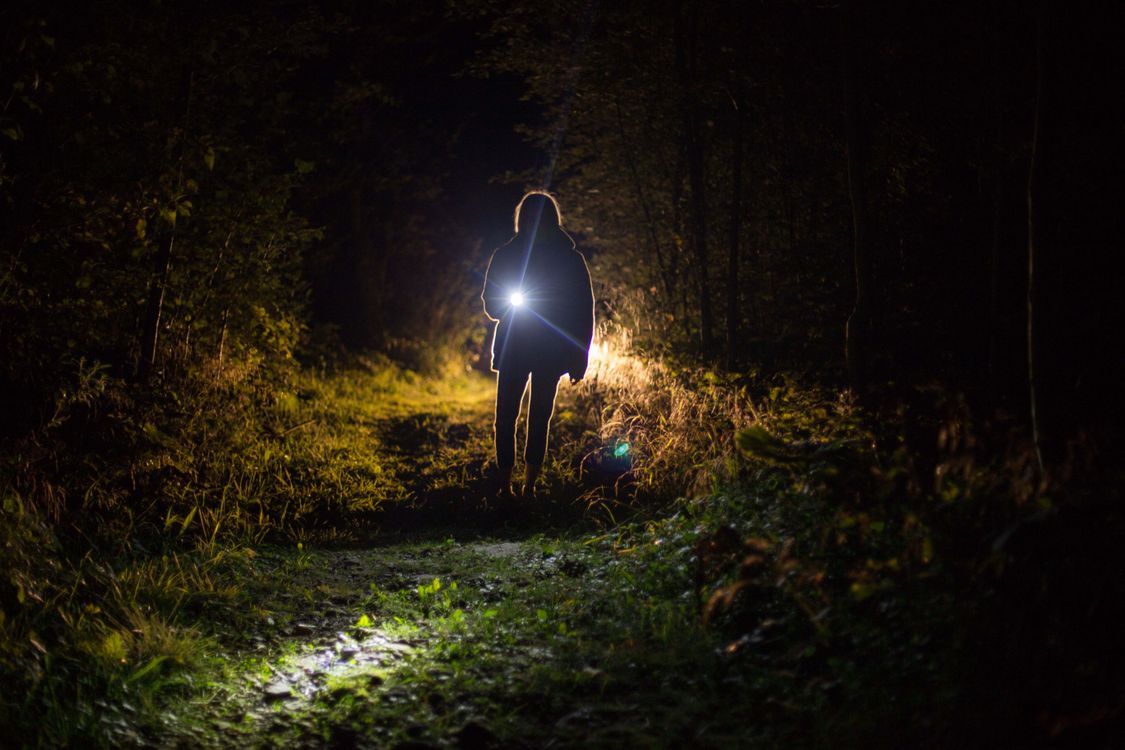
It delivers sightings that daytime simply cannot. Frogs, spiders, snakes and insects that stay hidden under the sun are out in the open after dark, so even a short walk tends to produce a long list of finds. It also shifts how you experience the forest. Stripped of its daytime scale and color, the jungle becomes intimate and a little mysterious, lit only by the cone of your headlamp.
For families and first-timers, it is approachable. The walks are short, close to the lodge and fully guided, which makes them far less intimidating than a long trek. And the soundscape alone, that dense wall of frogs and insects, is something most travelers have never heard anywhere else.
A night walk pairs naturally with the rest of an itinerary. It slots easily into the evening of a day spent on the river or trails, and it is a common fixture on both shorter and longer stays. If you are still weighing trip length, our comparison of a 3-day versus 5-day Amazon jungle tour can help you decide how many nights you want in the forest.
Plan Your First Night Walk
If a night walk is on your list, build your trip around at least one or two full nights at the lodge so you have the evenings to spare, and tell your guide at the start that nocturnal wildlife is a priority. From there, pack a reliable headlamp, keep your expectations open, and let the darkness do the rest. Reach out to Jungle Wolf Expedition to fit a guided night walk into your Amazon itinerary near Iquitos.
Frequently asked questions
How long does an Amazon jungle night walk last?
Most night walks run about one to two hours on trails close to the lodge, so there is no long trek in the dark.
Is a night walk in the Amazon safe?
Yes, when it is guided. A guide sets the pace, spots snakes and other animals early, and keeps the group at a safe viewing distance on known trails.
What animals will I see on a night walk?
Commonly tree frogs, katydids, stick insects, spiders and occasionally snakes or caimans. The exact sightings vary with the season and the night.
What should I bring for a nighttime jungle walk?
A headlamp with spare batteries, closed shoes, long sleeves and trousers, insect repellent and water. A handheld flashlight makes a good backup.
