The Amazon – a miracle of nature

by: Liane
source: www.bobaroundtheworld.com/amazon-jungle-tour-peru


The Amazon blows your imaginations! It is a unique place on our planet that impresses with giant figures and facts. I don’t want to bore you but I am so deeply impressed, that I would like to begin this post with some unimaginable facts, to give you an idea of how special the Amazon is:

The Amazon rainforest spans across eight countries – Brazil, Bolivia, Peru, Ecuador, Colombia, Venezuela, Guyana, Suriname and French Guiana – and covers an area almost as big as Australia. With an incredible length of 6,400 kilometers the Amazon River is the second largest river in the world. Two-thirds of all river water that exists in the world flows through the Amazon River.
It is assumed that 400 to 500 indigenous tribes live in the Amazon rainforest and that about 50 of these tribes have never had contact with the outside world!
Also, 40,000 plant species, 3,000 freshwater fish species and more than 370 types of reptiles call the Amazon their home.

Okay, these are enough figures! I hope you didn’t fall asleep already. 🙂
Funny golf ball BoB, Lars and I spent 5 days/4 nights in the beautiful jungle during an Amazon jungle tour through the Peruvian rainforest and we had a fantastic time. Be part of our trip and discover with us this special animal kingdom and the beauty of the Amazon…

Key takeaways

  • A 3-day Amazon tour covers core wildlife and river life but stays close to the lodge, while a 5-day trip reaches deeper, less-traveled forest.
  • Overnight jungle camping, long reserve excursions, and multi-day river travel into protected areas typically unlock only on 5-day expeditions.
  • Per-day cost usually drops on longer trips because fixed transfer and guide costs spread across more days.
  • Choose 3 days if your schedule or budget is tight; choose 5 days if deep wildlife access and remote forest matter most.
  • Pairing a short jungle tour with a separate Iquitos or river-dolphin day can match a 5-day experience without the full commitment.

Choose a 3-day Amazon jungle tour if your schedule is tight and you want a strong introduction to the rainforest; choose a 5-day tour if you want to reach remote forest, camp overnight, and give wildlife more chances to appear. When travelers weigh a 3 day vs 5 day Amazon tour near Iquitos, the real question is depth of access, not whether a short trip "counts." Both deliver real jungle. The difference is how far you get from the lodge and how many excursions fit before you head home.

This guide breaks down what each duration realistically delivers, which activities need the extra days, how the cost and value compare, and how to combine options into the itinerary that fits you.

What You Can Realistically Experience in Each Duration

A 3-day tour from Iquitos usually means two nights at a lodge. Day one covers the river transfer and an afternoon outing. Day two is your full day: a dawn birdwatching run, a jungle walk, piranha fishing, and a night excursion for caimans and nocturnal wildlife. Day three wraps up with an early activity before the return journey. It is a complete sampler of the Peruvian Amazon, and for many visitors it is enough to see monkeys, macaws, and, on river trips, the region's famous pink river dolphins.

A 5-day tour keeps those same core activities but removes the rush. With four nights, your guide can push into forest that sits too far for a short itinerary, repeat outings in different weather, and build in rest. Wildlife viewing rewards patience: more time on the water and in the trees means more sightings. That matters in a region this rich. Peru holds roughly 695 known breeding bird species and about 460 known mammal species, placing it third in the world on both counts, according to Discover Peru. You will not see all of it in three days, or even five, but more days raise your odds.

Activities Unlocked Only on Longer Expeditions

Some experiences simply need the extra time to be practical:

  • Overnight jungle camping. Sleeping in the forest, away from the lodge, is a highlight that requires a buffer day on either side. It rarely fits a 3-day plan.
  • Deep reserve excursions. Reaching the interior of a large protected area means hours of river travel each way. A reserve as vast as Pacaya-Samiria needs a full day you only have on a longer trip.
  • Multi-habitat coverage. Longer trips let you move between flooded forest, terra firme, and oxbow lakes rather than staying in one zone.
  • Survival and bushcraft sessions. Learning to build shelter, find water, or identify medicinal plants is unhurried content that fits a 5-day frame.

If these are on your must-do list, a short tour will leave them out. A longer expedition like those run by Jungle Wolf Expedition is built around having the days to reach deeper forest safely.

Cost and Value: 3 Day vs 5 Day Amazon Tour

Headline price always favors the shorter trip, but per-day value tells a different story. A chunk of any Amazon tour cost is fixed: your flight connection, airport pickup in Iquitos, the long boat transfer, guide assignment, and park fees. Those costs barely change whether you stay three days or five. Spread them across more days and the daily rate drops.

So a 5-day tour costs more in total while often costing less per day than a 3-day tour. The extra nights mainly add lodging, meals, and fuel for further excursions, which are the cheaper parts of the package. If you are flying from another continent, the value math leans toward longer: you have already paid the big travel cost to get to Iquitos, so adding days is efficient.

Demand is climbing, which affects availability and pricing in peak months. Peru's protected natural areas welcomed more than 2.4 million visitors in 2024, an increase of over 470,000 (+24%) versus 2023, according to figures from SERNANP reported by Inbound Peru. Booking earlier helps secure the dates and tour length you want.

Who Should Pick a Shorter vs Longer Trip

Pick a 3-day tour if:

  • Your overall trip is short and the Amazon is one stop among several.
  • You want a first taste of the rainforest before committing to more.
  • Budget is the deciding factor and you want the lowest total price.
  • You prefer a gentler pace with less time in remote, rugged conditions.

Pick a 5-day tour if:

  • You have travelled a long way and want the journey to Iquitos to pay off.
  • Wildlife is the priority and you want maximum chances to spot it.
  • Camping, deep reserve access, or multi-habitat exploration appeals to you.
  • You are comfortable with more time off-grid and want fewer other travelers around.

Fitness and comfort with heat and humidity matter too. Longer trips mean more consecutive days of walking, boat travel, and insect exposure. Packing the right gear helps either way, but it is more critical when you will be out for five days.

Combining Options for the Ideal Itinerary

You do not have to treat this as a strict either-or. A practical middle path is a 3-day lodge tour paired with separate, shorter experiences around it. You might add a river-dolphin outing, a day exploring Iquitos and its markets, or a boat trip toward a reserve edge. Stitched together, these can approach the variety of a 5-day expedition while keeping each segment flexible.

Timing shapes the plan as much as length. High-water and low-water seasons change which excursions are possible, since flooded forest opens up canoe routes that dry channels later close. Checking the best time to visit before you lock in a duration keeps your chosen activities realistic.

If you are still deciding, start by listing the two or three experiences you most want from the Amazon. If they are core sightings and river life, book a 3-day tour and keep your schedule open. If they include camping, deep reserve access, or simply more time in the wild, commit to five days and let the forest reveal itself at its own pace. Either way, confirm your dates and tour length with an operator early, and plan your Iquitos arrival around them so the first morning in the jungle is spent watching wildlife, not catching up on logistics.

Frequently asked questions

Is a 3-day Amazon tour long enough to see wildlife?

Yes. Three days is enough to spot monkeys, macaws, caimans, and often pink river dolphins on river outings. You will cover the core habitats near a lodge, just with less time in remote zones.

What do you get on a 5-day Amazon tour that you miss on a 3-day trip?

Longer trips reach deeper protected forest, allow overnight jungle camping, and leave room for full-day excursions into reserves like Pacaya-Samiria that are too far for a short itinerary.

Is a 5-day tour better value than a 3-day tour?

Per day, often yes. Fixed costs like airport transfers and guide fees spread across more days, so the daily rate usually falls on a 5-day expedition even though the total is higher.

Which should a first-time visitor to the Peruvian Amazon pick?

First-timers with limited days do well with a 3-day tour as an introduction. If you have travelled far and want depth, a 5-day trip justifies the long journey to Iquitos.

Key takeaways

  • Pink river dolphins (the boto, Inia geoffrensis) are the largest river dolphin on Earth, with males recorded up to 2.55 m and 207 kg.
  • The Pacaya-Samiria National Reserve and the river confluences near Iquitos are the most reliable places to see them.
  • Early morning and late afternoon give the best chances, when the dolphins surface to hunt.
  • Both the low-water season (May to October) and high-water season (December to May) work, but they offer different experiences.
  • Watch from a boat, keep your distance, and skip any operator that guarantees touching or swimming with wild dolphins.

The best places to see pink river dolphins in the Amazon are the protected waters and river confluences around Iquitos, Peru, especially the Pacaya-Samiria National Reserve and the meeting points of the Maranon, Ucayali and Amazon rivers. Go at sunrise or late afternoon, watch quietly from a boat, and you have a strong chance of seeing the boto surface and roll through the brown water.

Pink river dolphins are one of the most memorable animals in the Peruvian Amazon, and unlike jaguars or harpy eagles, they are genuinely approachable on a normal jungle itinerary. This guide covers what these animals are, where to find them, how to watch them without doing harm, and when to go.

The biology and legend of the Amazon pink dolphin

The pink river dolphin, known locally as the boto and scientifically as Inia geoffrensis, is the largest river dolphin in the world. According to the University of Michigan's Animal Diversity Web, males reach up to 2.55 m (8.4 ft) in length and 207 kg (456 lbs), while females reach up to 2.18 m (7.2 ft) and 154 kg (340 lbs) (Animal Diversity Web). That makes the boto noticeably bigger than most people expect a freshwater dolphin to be.

Several features set the boto apart from the ocean dolphins travelers know from documentaries. It has a long, slender snout lined with teeth for gripping fish and crabs, a bulbous forehead, and an unfused neck that lets it turn its head to navigate flooded forest. Its eyes are small, because eyesight matters little in muddy water where echolocation does the real work. In the wild, the animals live around 30 years.

The pink color is real, though not constant. Many adults develop a pink or mottled pink hue that grows stronger with age, and it is often most pronounced in older males. Scarring from social interactions and the pink tone of blood vessels near the skin surface both contribute to the effect. In some lighting the dolphins look almost rosy; in flatter light they read as pale gray.

The boto also carries deep cultural weight. Across the Amazon basin, folklore describes the dolphin as an encantado, a shapeshifter that can step out of the river at night as a charming stranger in a white hat. These legends are not just color for a brochure. In many riverside communities they have functioned as a protection, discouraging people from harming the animals. That cultural respect is one reason healthy dolphin populations still exist near inhabited stretches of river.

Best lakes and rivers near Iquitos for sightings

Iquitos sits at a natural crossroads for pink dolphins. The city lies on the Amazon close to where the Maranon and Ucayali rivers join, and dolphins concentrate wherever moving water brings fish together.

The single best area is the Pacaya-Samiria National Reserve, Peru's largest protected area in the Amazon lowlands, covering more than 20,000 square kilometers of flooded forest, lakes and channels. Its protected status means healthier fish stocks and, in turn, more dolphins. Reaching the reserve usually means a riverboat journey from Iquitos, often staged through the town of Nauta, roughly 100 km south by road.

A few reliable spots stand out:

  • River confluences. Where the Maranon and Ucayali meet to form the Amazon, fish gather and dolphins follow. These junctions are classic viewing points.
  • Oxbow lakes, known locally as cochas. During high water, dolphins move out of the main channels and into these quiet backwaters and even into the flooded forest itself.
  • Quiet side channels near lodges. Many guides know specific bends where dolphins appear almost daily.

Both the pink boto and the smaller gray dolphin, the tucuxi, share these waters, so a single outing often produces two species. Most lodges near the reserve can reach productive dolphin water within a short boat ride, which is worth checking before you book.

Responsible viewing without disturbing wildlife

Pink river dolphins are listed as Endangered on the IUCN Red List, reassessed in 2018 as better data revealed declining populations, with drowning in fishing nets and deliberate killing for bait among the main pressures. How you choose to watch them matters.

Good practice is simple and worth insisting on:

  • Watch from the boat. Resist any pitch to swim with or touch wild dolphins. It stresses the animals and habituates them to people in ways that can get them hurt.
  • Keep your distance and let them approach. Curious dolphins will often come closer on their own terms. Chasing them with the motor only pushes them away.
  • Skip the feeding shows. Operations that bait dolphins for a guaranteed close-up alter natural behavior and diet.
  • Be wary of guarantees. No ethical guide can promise contact with a wild animal. A good guide promises effort and knowledge, not a staged encounter.

Choosing a community-minded operator also puts tourism money where it supports conservation. At Jungle Wolf Expedition, dolphin viewing is boat-based and distance-respecting by default, led by local guides who read the river rather than disturb it. That approach protects the sighting for the next group, and for the dolphins.

Best seasons and times of day

There is no wrong season for pink dolphins near Iquitos, but the two water seasons feel different on the river.

Low-water season, roughly May to October. As water drops, dolphins concentrate in the main channels and remaining deep pools, which can make them easier to find and watch. Navigation is simpler, insects are fewer, and the mid-year months are a dependable window. July through September is popular enough that lodges often book out weeks ahead.

High-water season, roughly December to May. When the rivers rise, the forest floods and dolphins range widely into the flooded forest and oxbow lakes. Sightings are excellent, and the scenery of dolphins moving among half-submerged trees is hard to beat, though rain is more frequent.

For a fuller breakdown of conditions month by month, see our guide to the best time to visit the Peruvian Amazon near Iquitos.

Time of day matters more than many travelers realize. Dolphins are most active and surface most often around sunrise and in the late afternoon, when they hunt and the river sits calm and reflective. Midday, under hard overhead light, sightings drop off and photos flatten. Plan your dolphin outings for the edges of the day.

How dolphin encounters fit into an expedition

Dolphin watching rarely stands alone. On a multi-day trip it slots naturally into the quiet, early hours that are already the best time for wildlife, before a day of forest walks, canoe trips through flooded forest, and night excursions for caimans and frogs. A dawn boat ride that starts with pink dolphins rolling beside the hull often continues into birding as the forest wakes.

That rhythm is the heart of a real jungle itinerary. If you want a sense of how the days actually unfold on the water and in the forest, our overview of what to expect on an Amazon rainforest expedition tour sets honest expectations and covers the other animals you are likely to meet along the way.

To give yourself the best odds, build at least two or three nights into your trip so you have multiple dawn and dusk sessions on the river. Pick a lodge with direct access to productive water near the reserve, bring a zoom lens rather than a plan to get close, and tell your guide upfront that seeing pink dolphins is a priority. Do that, and the boto will likely be one of the first things you see each morning and the image you carry home.

Frequently asked questions

Are pink river dolphins actually pink?

Many adults develop a pink or mottled pink coloration, which tends to be stronger in older males. Younger animals are usually grayer, and the pink can look more vivid after activity or in certain light.

Where near Iquitos can I see pink river dolphins?

The Pacaya-Samiria National Reserve and the confluences of the Maranon, Ucayali and Amazon rivers are the most reliable areas. Oxbow lakes inside the reserve are also productive during high water.

What is the best time of day to spot them?

Early morning around sunrise and late afternoon are best, when dolphins surface frequently to hunt and the river is calm.

Is it safe and ethical to swim with pink river dolphins?

Responsible operators do not let guests chase, feed or swim with wild dolphins. Boat-based viewing from a respectful distance protects the animals and still delivers excellent sightings.

Are pink river dolphins endangered?

Yes. The species was reassessed as Endangered on the IUCN Red List in 2018, with gillnet drowning and deliberate killing among the main threats.

Key takeaways

  • Iquitos has no road connection to the rest of Peru, so you reach it only by air or river.
  • The fastest route is a flight from Lima to Iquitos, which takes just under two hours.
  • The airport sits about 10 km from the city center, with taxis and mototaxis handling the transfer.
  • Fly into Iquitos a day before your tour starts so a missed connection never costs you a departure.

You reach Iquitos by air or by river, never by car. The city has no road connecting it to the rest of Peru, so almost every traveler flies in from Lima on a flight that takes just under two hours. Once you understand that single fact, planning how to get to Iquitos becomes simple. This guide walks through your flights, your airport transfer, and how to line up your arrival with your tour so your Amazon trip starts without a hitch.

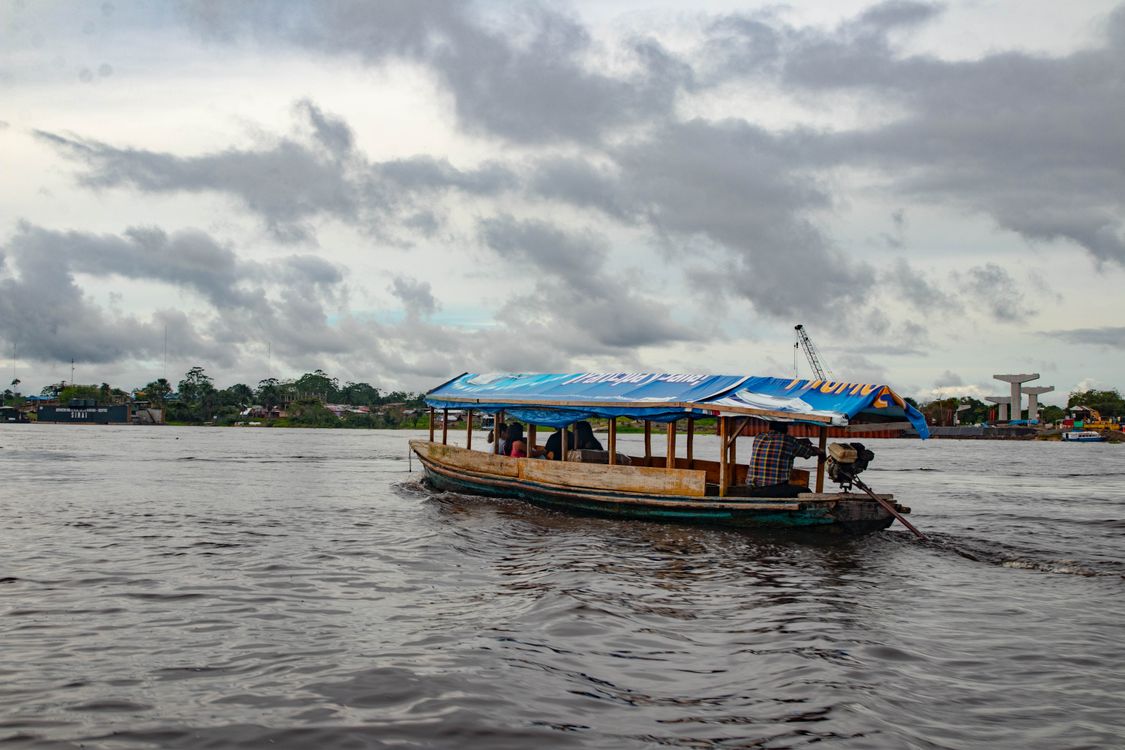
Traditional wooden boat navigating the Amazon River near Iquitos, Peru under cloudy skies

How to get to Iquitos by flying from Lima

Almost every visitor flies from Lima (LIM) to Iquitos (IQT), a trip of just under two hours over the Andes and into the rainforest. LATAM, Sky Airline, and Star Peru run the route, usually with several departures a day. If you are arriving from abroad, you connect through Lima's Jorge Chavez International Airport, then board a domestic flight north.

Book the Lima to Iquitos leg as early as you can. Seats on popular morning flights fill up, and fares climb closer to the date. A morning departure also lands you in Iquitos with daylight to spare, which matters when you still have a river transfer ahead.

Give yourself a comfortable buffer between an international arrival and your domestic flight. Peru requires you to collect checked bags and clear customs in Lima before re-checking for the domestic hop. Three to four hours is a sensible cushion. If the gap is tight, an overnight in Lima removes the risk entirely.

The airport in Iquitos is Coronel FAP Francisco Secada Vignetta International Airport, named for a local aviator. It handles the daily flow of travelers heading into the jungle and is your gateway to everything that follows.

Why does Iquitos have no road access?

Iquitos is the largest city in the world with no major road connection, a status confirmed by Guinness World Records (Guinness World Records, 2012). The single road leaving the city ends at Nauta, roughly 100 km to the south, so the municipality is reachable only by air and river. At the time of that record, Iquitos was home to about 430,000 people.

Dense rainforest, wide rivers, and seasonal flooding make a long highway through the region impractical. The Amazon and its tributaries have always been the natural roads here, carrying people and cargo the way asphalt does elsewhere.

What does this mean for you as a traveler? It means your plans hinge on two modes: a plane to get to the city, and a boat to get from the city to the jungle. There is no backup bus route if a flight is cancelled. That reality is exactly why a day of buffer in your schedule is worth so much.

The isolation is also part of the appeal. A place you can only reach by air or water still feels like a genuine frontier, and the river journey to your lodge becomes part of the adventure rather than a chore.

How do you get from the airport to the river port?

The airport sits a short drive from the Plaza de Armas, the city's main square, and the trip into town takes well under half an hour. Taxis wait outside the terminal, and so do the three-wheeled mototaxis that give Iquitos its soundtrack. A taxi typically runs higher than a mototaxi, but both are cheap by international standards. Agree on a price before you climb in.

If your trip is booked through a lodge, this part is usually handled for you. Jungle Wolf Expedition, for example, meets guests at the airport and manages the ground transfer to the river port, so you are not negotiating fares with your luggage on the curb. Confirm the pickup details in writing before you travel.

Boats to the jungle lodges leave from ports on the edge of town, such as Bellavista-Nanay where the Nanay River meets the Amazon. From there, a motorized canoe or riverboat carries you downstream to the lodge. The length of that ride depends on how deep into the rainforest you are headed.

Carry small bills in Peruvian soles for the transfer and any tips. Card payments are rare at the port, and a handful of coins solves most problems quickly.

When should you time your arrival with your tour?

Plan to land in Iquitos at least a day before your tour departs. Flights into the Amazon depend on weather and connections, and a single delay can cost you a scheduled boat departure that only runs once a day. An extra night in the city is far cheaper than missing the start of a multi-day trip.

Most lodge itineraries begin in the morning, when the river journey can be made in daylight and wildlife is most active. If your Jungle Wolf Expedition tour starts early, an afternoon or evening arrival the day before puts you in position without a frantic dawn scramble through the airport.

The buffer day pays off in other ways too. You arrive at the dock rested, you have time to repack for the humidity, and you meet your guide before the real journey begins. For help choosing the dates that suit your goals, our guide to the best time to visit the Peruvian Amazon near Iquitos breaks down the wet and dry seasons.

Check your flight status the night before and again on the morning of departure. Schedules on the Lima to Iquitos route can shift, and knowing early gives you room to adjust.

What should you know for your first hours in Iquitos?

Iquitos moves at the pace of the rainforest, hot, humid, and loud with mototaxi engines. Step out of the airport prepared for heat and sticky air year round. Light clothing, a hat, and water will carry you through those first hours far more comfortably than anything you packed for Lima's cooler coast.

Keep your travel documents and the bulk of your cash secure, and carry only what you need for the day. The Plaza de Armas and the riverfront Malecon are easy to explore on foot, with places to grab a meal before you head upriver. A short walk here is a good way to shake off the flight.

If you have a few spare hours, this is the moment to confirm every detail of your onward journey: your pickup time, your port, and your lodge contact. Sorting it now means no surprises when it is time to board the boat. Before you finish packing, our checklist on choosing an Iquitos rainforest lodge covers what to confirm with any operator.

Finally, slow down and take it in. You have reached a city at the heart of the Amazon that no road can touch. The adventure has already started.

To lock in a smooth arrival, book your Lima to Iquitos flight for the day before your tour, then message Jungle Wolf Expedition with your flight number so we can meet you at the airport and handle the transfer to the river.

Frequently asked questions

Can you drive to Iquitos?

No. Iquitos has no road link to the rest of Peru. The only road out ends at Nauta, about 100 km away. You can only reach the city by air or by boat on the Amazon River.

How long is the flight from Lima to Iquitos?

The flight from Lima to Iquitos takes just under two hours. LATAM, Sky Airline, and Star Peru run the route, usually with several departures each day.

How far is Iquitos airport from the city center?

Coronel FAP Francisco Secada Vignetta International Airport sits a short drive from the Plaza de Armas. A taxi or mototaxi covers the trip into town in well under half an hour.

Should I arrive the day before my jungle tour?

Yes. Arriving a day early protects you from flight delays and missed connections. It also gives you time to rest, adjust, and meet your lodge contact before heading upriver.

Key takeaways

  • Pack loose, long-sleeved synthetic clothing in light colors to handle heat, humidity and biting insects at once.
  • The CDC recommends a repellent with 20% or more DEET for protection that lasts several hours in Peru.
  • Yellow fever vaccination is recommended by the CDC for travelers heading to the Iquitos region of the Peruvian Amazon.
  • Rubber boots, rain cover and dry bags matter more than fashion; the jungle is wet and muddy most of the year.
  • Many lodges supply rubber boots, ponchos and bedding, so confirm the kit list before overpacking.

Pack for constant heat, high humidity, daily rain and biting insects, in that order. For an Amazon jungle trip near Iquitos, that means quick-drying long-sleeved clothing, sturdy rubber boots, a strong insect repellent, sun protection and waterproof bags for anything electronic. Knowing what to pack for an Amazon jungle adventure saves weight, money and a lot of discomfort once you reach the lodge.

Most first-time visitors overpack cotton and underpack protection. This guide walks through clothing, footwear, a health kit, electronics and the items your lodge already supplies, so you arrive ready and travel light.

What Clothing to Pack for Amazon Jungle Heat and Humidity

The Peruvian Amazon stays warm and humid all year, with daytime temperatures around the high 70s to mid 80s Fahrenheit and humidity that rarely drops much below 80 percent. Pick loose, lightweight synthetic fabrics that dry fast, because cotton stays damp for hours and chafes on long walks.

Choose long sleeves and long trousers in light, neutral colors. They shield you from sun, scratches and mosquitoes at the same time, and darker shades seem to attract more insects. A couple of breathable shirts, two pairs of trousers and quick-dry underwear cover a multi-day stay, since you can rinse and hang items overnight.

Convertible trousers with zip-off legs add flexibility without extra weight. A separate swimsuit or set of clothes you keep dry for the evenings is worth packing too, because sweat and rain leave your day clothes damp by dinner. Keep that dry set sealed in a bag so it stays usable all trip.

Bring one warmer layer too. Nights on the river and early morning boat rides feel cool once you are wet, and a thin fleece or long-sleeve top takes up almost no space. A wide-brim hat and a lightweight buff round out a practical jungle wardrobe. Think in terms of what the daily excursions actually demand rather than what looks good in photos.

Footwear and Rain Gear That Actually Work

Rubber boots beat hiking boots in the Amazon. Trails flood, mud swallows laces and water crosses the path at knee height, so knee-high rubber boots keep you dry where leather simply soaks through. Many travelers are surprised that their expensive waterproof boots become the wettest thing they own by mid-morning.

Pack lightweight sandals or camp shoes for the lodge, plus a few pairs of thick socks that dry quickly. Thin cotton socks blister fast inside rubber boots. A pair of gaiters or tall socks pulled over your trouser legs also keeps insects and mud out on longer walks.

For rain, a packable poncho or rain jacket plus a rain cover for your daypack handles the daily downpours better than an umbrella, which leaves your hands full on muddy trails. Downpours arrive fast and heavy, then clear within the hour, so the goal is quick protection you can pull on and off without stopping the group. Choose rain gear that folds small and lives in the top of your daypack.

The season you travel in shapes how much rain gear you need. During the high-water months, flooded forest and boat travel dominate, while the drier season opens more walking trails. Our overview of the best time to visit the Peruvian Amazon near Iquitos explains how the water level changes what you do each day.

What Goes in Your Jungle Health Kit?

Insect protection is the center of any Amazon health kit. The CDC advises travelers to Peru to use a repellent containing 20 percent or more DEET for protection that lasts several hours (CDC, 2026). Bring enough repellent for daily reapplication, and pack it in a sealed bag so it cannot leak onto your clothes.

Vaccination planning starts weeks before you fly. The CDC recommends yellow fever vaccination for travelers visiting Peru's Amazon regions below 2,300 meters, which includes the Iquitos area, and it advises malaria prevention for low-elevation areas east of the Andes (CDC, 2026). Talk to a travel clinic early, because some protection needs time to take effect.

Round out the kit with high-SPF sunscreen, oral rehydration salts, blister care, any personal prescriptions and a small supply of basic painkillers and anti-diarrheal medication. The equatorial sun burns quickly on open water, so sunscreen and a hat matter even under cloud cover. Keep everything in a waterproof pouch inside your daypack.

A few extras make the days more comfortable. After-bite cream or antihistamine tablets take the edge off bites that slip past your repellent, and rehydration salts help when heat and humidity sap your energy on long excursions. Pack any medication in its original labeled packaging to avoid questions at the border, and carry a copy of your prescriptions.

How Do You Protect Cameras and Electronics?

Humidity and sudden rain are the real threats to electronics in the jungle. Store cameras, phones and chargers in sealed dry bags, and tuck a few silica gel packets inside to pull moisture away from lenses and circuits. Condensation forms when a cold camera meets warm, wet air, so let gear warm up slowly instead of opening it immediately.

Power is limited at remote lodges, where electricity often runs only a few hours a day from a generator. A power bank, spare batteries and extra memory cards keep you shooting between charges. A small headlamp with fresh batteries is worth more than your phone flashlight on a night walk, and it leaves both hands free.

If wildlife photography is your goal, a zoom lens and binoculars earn their weight. Many animals stay high in the canopy or far across the water, so reach beyond the kit lens on your phone if you can.

What Does the Lodge Provide So You Can Pack Light?

A good lodge supplies more than you expect, which lets you leave bulky items at home. At Jungle Wolf Expedition, guided excursions and the core trip logistics are handled for you, and many Amazon lodges lend rubber boots in common sizes, provide bedding with mosquito nets, and keep basic ponchos on hand for guests. Confirming this list before you pack prevents hauling heavy gear you will never use.

Ask your lodge a few direct questions before departure. Do they provide boots in your size, mosquito nets over the beds, drinking water and laundry or line-drying space? The answers decide whether you pack two shirts or five. Choosing the right base matters here, and our guide to choosing an Iquitos rainforest lodge covers what to confirm before you book.

Travel with a soft duffel or backpack rather than a hard suitcase, since boats and narrow trails favor flexible bags. Keep a small daypack for excursions with water, repellent, a rain layer and your camera. Pack light, protect what matters, and let the lodge handle the rest.

The single most useful next step is to email your lodge for its exact packing list and boot sizing before you buy anything. Match your bag to that list, and you will carry less while staying dry, protected and ready for every excursion.

Frequently asked questions

Do I need waterproof hiking boots for the Amazon?

Not usually. Most jungle trails are muddy and flooded, so rubber boots work better than hiking boots. Many lodges, including Jungle Wolf Expedition, lend rubber boots in common sizes, so check before buying your own.

What repellent should I bring to the Peruvian Amazon?

The CDC advises a repellent containing 20% or more DEET for several hours of protection. Bring enough for daily use and reapply after sweating or swimming.

Do I need a yellow fever vaccine for Iquitos?

The CDC recommends yellow fever vaccination for travelers visiting Peru's Amazon regions below 2,300 meters, which includes the Iquitos area. Speak with a travel clinic several weeks before your trip.

How do I protect my camera from jungle humidity?

Keep gear in sealed dry bags with silica gel packets, and let equipment acclimate slowly to avoid condensation. A simple rain cover or plastic bag protects your camera during sudden downpours.

Key takeaways

  • A jungle lodge gives you a fixed base deep in the forest, with early-morning and night excursions that river cruises rarely match.
  • Travel time from Iquitos is the single biggest predictor of wildlife density: lodges three or more hours upriver reach quieter, richer habitat.
  • Judge comfort by what you actually need, then weigh genuine eco-practices like licensed guides, waste handling and community hiring.
  • Before booking, ask about guide ratios, group size, what the price includes and whether the operator holds the permits to enter protected reserves.
  • For most first-time travelers, a lodge-based expedition balances access, comfort and cost better than a cruise.

The right Iquitos rainforest lodge comes down to three things: how far it sits from the city, how comfortable you need to be, and whether its guides can legally take you into protected forest. Get those right and the rest of the trip falls into place. This guide walks through each decision so you can compare lodges on substance rather than marketing photos, and book the one that matches how you actually want to travel.

Iquitos is the launch point for nearly every Amazon trip in northern Peru. It is the largest city in the world you cannot reach by road, according to Wikipedia, with a metropolitan population of 471,993 and access only by river or air. That isolation is the whole appeal: the moment you leave the port, the forest takes over.

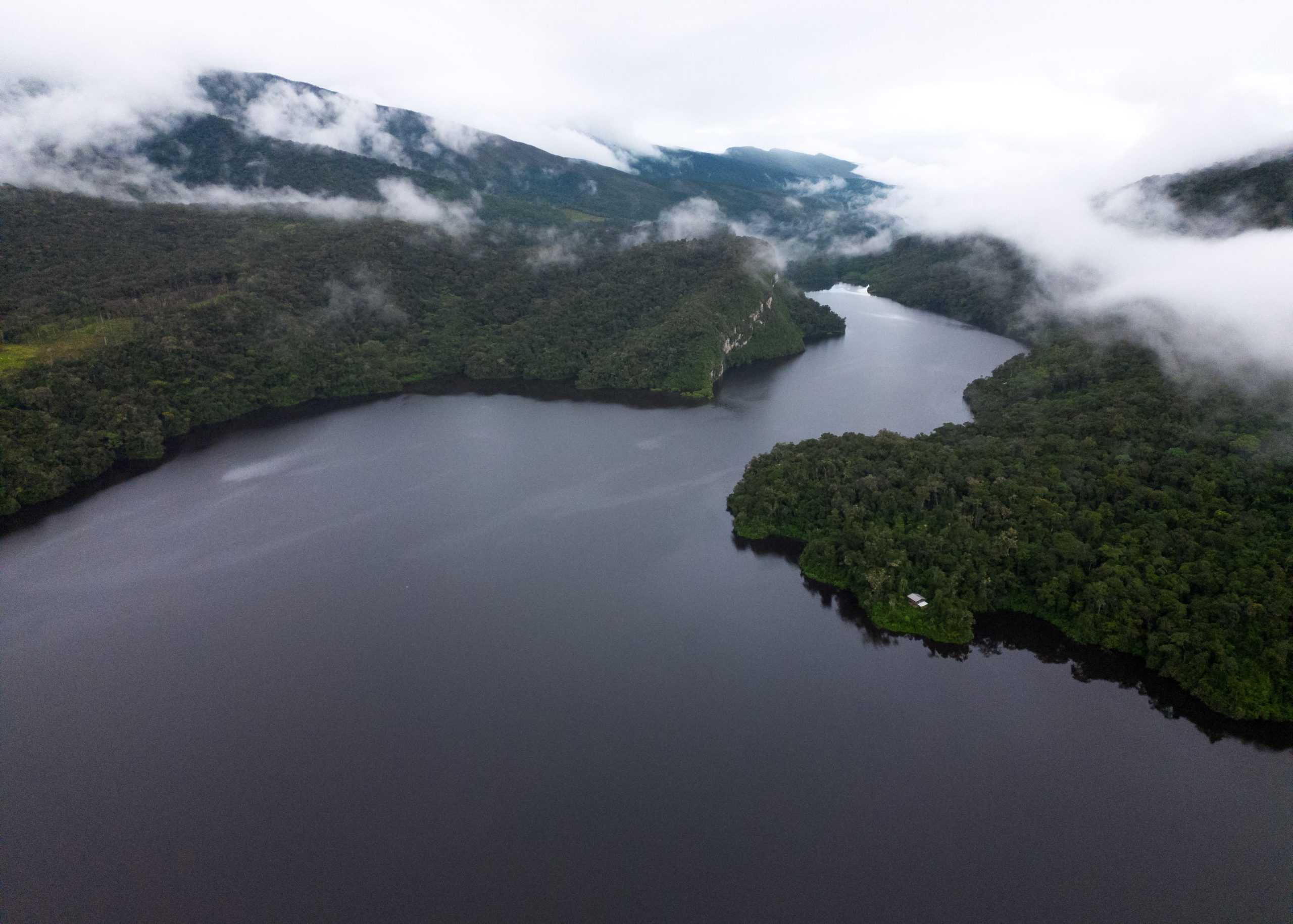
Aerial view of the Amazon River winding through dense rainforest in Peru

What Sets a Jungle Lodge Apart From a River Cruise

Both options explore the same river system, but they shape your days very differently.

A lodge gives you a fixed base inside the forest. You sleep in one place, wake to the sound of howler monkeys, and head out on foot or by small boat for each excursion. Because you are already there, you can be on a trail at 5 a.m. when birds are most active, or out again after dark for a night walk to spot frogs, spiders and caiman. That rhythm of short, repeated outings from a stable base is where lodges shine.

A river cruise keeps you moving. You cover long distances, sleep in a cabin, and explore by launching smaller skiffs from the main vessel. Cruises suit travelers who want hotel-level comfort, air conditioning and a new stretch of river each day. The trade-off is depth: you rarely spend enough time in one patch of forest to learn its trails, and night excursions on foot are limited.

For context on what a multi-day trip actually involves on the ground, it helps to read up on what to really expect on an Amazon rainforest expedition tour before you commit.

Location Matters: Distance From Iquitos and Wildlife Density

If you read nothing else, read this: travel time from Iquitos is the single best predictor of how much wildlife you will see.

The forest closest to the city carries decades of human pressure. Hunting, farming and boat traffic thin out the larger animals, so lodges an hour or less from the port tend to deliver fewer sightings. Push three or more hours upriver and the forest gets quieter, the water clearer, and the odds of spotting pink river dolphins, monkeys and large birds climb sharply.

The richest habitat sits inside protected reserves. Pacaya-Samiria National Reserve, the giant flooded forest southwest of Iquitos, covers 2,080,000 hectares and protects 1,025 vertebrate species, 449 bird species and 965 species of wild plants, per Peru's official protected-areas authority, SERNANP. Entering it requires permits and licensed guides, so a lodge's access to this kind of protected zone tells you a lot about the quality of the experience on offer.

Jungle Wolf Expedition bases its trips in forest reached by a few hours of river travel from Iquitos, far enough from the city to put real distance between you and the crowds. Season also shapes what you see from any lodge, so plan around the high-water and low-water periods, which change both access and sightings.

Iquitos Rainforest Lodge Amenities, Comfort and Eco-Friendly Practices

Lodges span a wide range, from rustic shelters to screened cabins with private bathrooms. Decide what you genuinely need before you pay for more.

Think through these practical points:

  • Rooms and bathrooms. Mid-range and upper lodges usually offer private bathrooms, proper beds and mosquito screening. Rustic options may share facilities and rely on candlelight or solar lamps.
  • Power. Few remote lodges run electricity around the clock. Many use generators for set hours or solar for charging. Confirm how and when you can charge a camera or phone.
  • Food and water. Ask how meals are prepared and whether safe drinking water is provided. Dietary needs are easier to meet at larger, better-staffed lodges.
  • Access to the forest. The best lodges sit beside trails and waterways, so excursions start steps from your door rather than after a long transfer.

Eco-practices matter here too, and not only for the environment. A lodge that hires and trains local guides, manages its waste properly and works within reserve rules is usually one that also runs safer, better-informed trips. Peru requires licensed guides and permits to enter protected areas like Pacaya-Samiria, so a lodge that meets those standards is signaling real professionalism. Look for operators that employ residents of nearby communities, limit group sizes and avoid baiting or handling wildlife.

Questions to Ask Before You Book a Lodge Stay

A short list of direct questions separates a serious operator from a slick website. Send these before you pay a deposit:

  1. How far is the lodge from Iquitos, and how long is the river transfer? This frames every wildlife expectation.
  2. What is the guide-to-guest ratio and maximum group size? Small groups see more and move quietly. Large groups scatter wildlife and leave you waiting.
  3. Are your guides licensed, and can you legally enter protected reserves? Both affect what you can see and whether the trip is run properly.
  4. What exactly does the price include? Pin down transfers, meals, excursions, park fees and equipment so the quote you compare is the real one.
  5. What wildlife is realistic for my dates? An honest answer about the season beats a promise of guaranteed sightings. Our overview of wildlife you can spot on a Peruvian Amazon tour helps you set expectations.
  6. What is the plan if weather disrupts an excursion? Good operators adapt rather than cancel.

If an operator dodges these or answers only in brochure language, treat that as a signal.

Why a Lodge-Based Expedition Suits Most Travelers

For a first Amazon trip, a lodge usually wins on the three things that matter most: access, comfort and cost.

Access, because a fixed base inside the forest lets you be out at dawn, at dusk and after dark, when the Amazon is most alive. Comfort, because you can pick a lodge that matches your tolerance for roughing it, from screened cabins to simpler shelters, without overpaying for a floating hotel. Cost, because lodges generally run well below the price of a comparable river cruise while putting you closer to the forest, not farther from it.

Cruises still have their place for travelers set on covering long distances in hotel-grade comfort. But if your goal is to walk the trails, learn a patch of jungle and maximize wildlife per dollar, a lodge-based expedition is the stronger choice for the money.

Start by shortlisting two or three lodges, then send each the six questions above. Compare the answers side by side, confirm travel time from Iquitos and what the price truly includes, and book the one that gives you the most forest for your budget. When you are ready to plan dates and logistics, reach out to Jungle Wolf Expedition and we will help you match a lodge stay to the wildlife you most want to see.

Frequently asked questions

How far from Iquitos should an Amazon lodge be?

Aim for a lodge at least two to three hours upriver. Properties closer to the city sit in more disturbed forest with thinner wildlife, while remote lodges reach quieter habitat with better sightings.

Is a jungle lodge better than an Amazon river cruise?

For most travelers, yes. A lodge costs less, puts you on forest trails at dawn and dusk, and offers night walks that cruises cannot. Cruises suit those who prioritize comfort and covering long distances over deep forest immersion.

What should I ask before booking an Iquitos rainforest lodge?

Ask about guide-to-guest ratios, maximum group size, exactly what the quoted price includes, the guides' licensing, and whether the operator can legally enter protected reserves like Pacaya-Samiria.

Do Iquitos lodges have electricity and private bathrooms?

It varies. Mid-range and upper lodges usually offer private bathrooms, screened rooms and scheduled generator power. Rustic lodges may use shared facilities, candlelight and solar lamps. Confirm the details before you book.

Key takeaways

  • The Peruvian Amazon near Iquitos has two travel seasons: high water from roughly December to May and low water from roughly June to November.
  • High water is best for canoe exploration through flooded forest and spotting pink dolphins; low water is best for hiking, fishing and finding wildlife near shrinking waterways.
  • Temperatures stay warm and humid all year, so your choice is driven by water level and activity, not by hot or cold weather.
  • Pacaya-Samiria National Reserve protects 2,080,000 hectares and records 1,025 vertebrate species, so wildlife is abundant in every month.

The best time to visit the Peruvian Amazon near Iquitos depends on what you want to do, because the region has two very different travel seasons rather than a clear good month and bad month. High water runs from roughly December to May and favors canoe exploration and dolphin spotting, while low water runs from roughly June to November and favors hiking, fishing and tracking wildlife on foot. Both seasons deliver dense rainforest and abundant animals. The water level, not the weather, is what reshapes your trip.

This matters because the lowland jungle stays warm and humid all year. You are not choosing between a hot season and a cold one. You are choosing between a forest you glide through by boat and a forest you walk into on exposed trails. Once you understand that single difference, picking your month becomes simple.

The Best Time to Visit the Peruvian Amazon: High Water vs Low Water

The Peruvian Amazon near Iquitos swings between a flooded high-water season and a receded low-water season, and the gap between them is dramatic. During high water the rivers rise many meters and push deep into the forest, turning woodland into navigable waterways. During low water the rivers pull back, exposing sandbars, beaches and muddy banks that were underwater weeks earlier.

High water typically peaks between March and May. Low water typically bottoms out between August and October. The transition months on either side give you a mix of both worlds, with falling or rising water and shifting wildlife. Because this cycle is driven by rainfall across the wider Amazon basin, not just local rain, the river can keep rising even on a sunny Iquitos afternoon.

This flood pulse is the defining feature of the region. It governs where fish go, where animals feed, and whether your guide reaches a given spot by paddle or by boot. Planning around it is the key to a good expedition. For a fuller picture of what a multi-day trip involves, see our guide on what to really expect from an Amazon rainforest expedition tour.

How Does Each Season Change Wildlife, Fishing and Hiking?

Season changes the method more than the odds of seeing wildlife, because the Peruvian Amazon stays biologically rich all year. Pacaya-Samiria National Reserve alone records 1,025 species of vertebrates and 449 species of birds (SERNANP). What shifts is how you reach the animals and which activities come into their own.

During high water, canoe trips take over. Flooded forest lets guides paddle quietly beneath the canopy, close to monkeys, sloths and birds perched low over the water. Pink river dolphins spread into newly flooded channels and are easier to approach. Fishing continues, though fish disperse across a huge flooded area.

During low water, the forest floor reappears and hiking becomes the headline activity. Receding rivers concentrate fish into shrinking lagoons and channels, which makes fishing, including catch-and-release for larger species, far more productive. Wildlife also gathers near the remaining water, so patient watching from a trail or riverbank pays off. To learn which animals you can realistically spot, read our guide on the wildlife you can spot on a Peruvian Amazon tour.

What Is the Weather Like Around Loreto and Iquitos?

Loreto is hot and humid every month, so the practical weather question is about rain and river level, not temperature. Iquitos sits in equatorial lowland jungle where daytime warmth and high humidity hold steady year-round. There is no cold season to pack for and no dry month that turns the jungle brown.

Rainfall is the variable that moves. The wetter months, broadly December through May, feed the rising rivers and bring frequent heavy downpours, often short and intense rather than all day. The drier stretch from around June through October sees less rain and more open sky, though "drier" in the Amazon still means occasional storms. Expect warm nights, sticky afternoons and sudden showers in any season.

Because the flood is basin-wide, local weather and river height do not always match. You can have a bright morning while the water keeps climbing from rain that fell hundreds of kilometers upstream. Pack light, quick-drying clothing, rain protection and insect cover regardless of when you travel.

Pros and Cons of Each Month for Travelers

Every month near Iquitos has a trade-off, and matching it to your priorities is how you avoid disappointment. The flood cycle means no month is objectively better. It simply shifts what is easy and what is harder.

Here is how the two seasons stack up for a typical traveler.

  • December to February (rising water): Pros include green, lively forest, strong birdlife and fewer crowds. Cons include heavier rain and muddier conditions on the ground.
  • March to May (peak high water): Pros include the best canoe access into flooded forest and prime dolphin viewing. Cons include limited trail hiking and the wettest weeks of the year.
  • June to August (falling to low water): Pros include a balance of boat trips and emerging trails, plus improving fishing. Cons include transitional conditions that vary week to week.
  • September to November (peak low water): Pros include the best hiking, strong fishing and exposed beaches for camping. Cons include longer walks to reach some waterways and lower water in narrow channels.

If you want flexibility, the shoulder months around June and November often deliver a bit of everything. If you have a single must-do activity, let that choose your month.

How Does Season Shape Your Expedition Activities?

Season sets the itinerary before you even arrive, because your guide builds the days around the water. At Jungle Wolf Expedition, trips near Iquitos are designed to match the flood cycle, so a March departure and a September departure look genuinely different on the ground even when they cover the same reserve.

In high-water months, expect more time in canoes, longer water crossings and night excursions to spot caimans and nocturnal life along flooded edges. Dolphin encounters and canopy-level birding tend to feature heavily. Hiking is shorter and chosen around the few trails that stay above water.

In low-water months, expect more hiking, jungle survival demonstrations on exposed ground, piranha and sport fishing in concentrated channels, and beach camping on freshly revealed sandbars. Reaching some lagoons may mean a walk followed by a shorter paddle. Telling your operator which experiences matter most, before booking, lets them point you to the season that delivers them.

Planning Your Trip

The smartest next step is to list the two or three experiences you most want, whether that is paddling the flooded forest, landing a big fish, or walking deep jungle trails, then book the season that makes those easiest. Share that short list with your guide so they can confirm the water level will cooperate. With warm weather guaranteed in every month, a little planning around the flood pulse turns a good Amazon trip into the exact one you pictured.

Frequently asked questions

When is the best time to visit the Peruvian Amazon near Iquitos?

There is no single best month. High water (December to May) suits canoe trips and dolphin spotting, while low water (June to November) suits hiking and fishing. Choose by the activity you want most.

Is it always hot and humid in Iquitos?

Yes. The lowland Amazon near Iquitos stays warm and humid year-round, with no real cold season. Rainfall rises during high water and eases during low water, but temperatures change very little between months.

What is the difference between high-water and low-water season?

During high water the rivers rise many meters and flood large parts of the forest, so you travel by boat. During low water the rivers drop, exposing beaches and trails, which opens up hiking and shoreline fishing.

Can I see pink river dolphins any time of year?

Pink river dolphins live in these waters all year, but they are easier to see during high water when they spread into the flooded forest and feed in newly accessible channels close to the canoe.

Key takeaways

  • Pink river dolphins, macaws, several monkey species and caimans are the signature animals most travelers hope to see near Iquitos.
  • Dawn and dusk are the most productive viewing windows, and oxbow lakes, flooded forest and clay licks concentrate the most activity.
  • The Loreto region holds roughly 1,800 documented vertebrate species, so biodiversity is high even when individual sightings take patience.
  • Guides read tracks, calls and feeding signs to find animals, which is why a local guide dramatically improves what you actually see.
  • Set documentary-free expectations: wild animals are shy, light is dim under canopy, and good binoculars matter more than a long lens.

On a guided tour near Iquitos you can realistically expect to see pink and gray river dolphins, macaws and parrots, several monkey species, caimans and a long list of birds, frogs and insects. The Peruvian Amazon wildlife most visitors picture is genuinely here, though seeing it depends on the time of day, the habitat you visit and a guide who knows where to look.

This guide covers the signature species, the habitats and hours that produce the most sightings, how guides track animals along the Loreto waterways, and how to keep your expectations realistic so the trip feels like a success rather than a letdown.

The signature Peruvian Amazon wildlife species

A handful of animals define the region for most travelers. These are the ones people ask about by name.

Pink river dolphins. The pink river dolphin, or boto, is the headline animal of the Loreto rivers. Adults can take on a pink flush, and they surface in slow, rolling arcs rather than the leaping breaches of ocean dolphins. They share the water with the smaller gray river dolphin, and the two often appear together where channels meet larger rivers. The species is listed as Endangered on the IUCN Red List, with populations under pressure from fishing gear entanglement and river pollution, so a respectful distance matters.

Macaws and parrots. Scarlet, blue-and-yellow and red-and-green macaws fly in loud pairs above the canopy, usually early in the day. Smaller parrots and parakeets move in noisy flocks. In parts of the Amazon these birds gather at riverbank clay licks to eat mineral-rich soil, which can produce dense, colorful concentrations of birds at close range.

Monkeys. The forest around Iquitos holds a range of primates, from tiny pygmy marmosets and squirrel monkeys to larger howler, capuchin, saki and woolly monkeys. Howlers are often heard before they are seen, their deep calls carrying for well over a kilometer through the trees at dawn.

Caimans. These relatives of alligators are easiest to find after dark. Guides sweep the water with a flashlight and watch for the red-orange glow of eyeshine, then move the boat close enough for a look. Spectacled caimans are common, and the much larger black caiman lives in the quieter backwaters and lakes.

Best habitats and times of day for sightings

Wildlife in the Amazon is not spread evenly. It clusters where food, water and cover meet, and it moves on a daily schedule tied to heat and light.

The richest habitats for a short trip are oxbow lakes, the flooded forest known as varzea during high water, slow side channels and clay licks. Oxbow lakes concentrate fish, which in turn draw dolphins, giant otters where they survive, caimans and fishing birds. Flooded forest lets a canoe drift silently among the treetops, putting you level with monkeys and perched birds.

Timing matters as much as place:

  • Dawn to mid-morning is the single most productive window. Birds feed, macaws fly to and from roosts, and monkeys move through the canopy before the midday heat.
  • Late afternoon brings a second burst of activity as temperatures drop.
  • Midday is quiet; most animals rest in shade, and so should you.
  • After dark is the time for caimans, night birds, frogs, tarantulas and other creatures that stay hidden by day.

Seasons shift the picture too. During the high-water months the flooded forest opens up to canoes and dolphins range widely, while the low-water season exposes beaches and concentrates fish and the animals that eat them.

How guides track animals along the Loreto waterways

A good guide is the difference between a pleasant boat ride and a wildlife-rich one. Guides working the Loreto rivers grew up reading this forest, and they rely on signs most visitors never notice.

They listen first. Howler calls, the squabble of parakeets, the splash of a dolphin or the alarm chatter of a troop of monkeys all point to animals before anything is visible. They watch the water surface for the roll of a dolphin or the wake of a caiman, and they scan branches for the silhouette of a sloth or a roosting bird. On land they read tracks in mud, scratch marks on bark, chewed fruit dropped from the canopy and fresh droppings that reveal what passed through and when.

Guides also know the geography of activity: which oxbow lake holds otters this month, where macaws cross the river at first light, which clay bank draws birds. That local knowledge is why booking a trip with experienced local guides, such as the team at Jungle Wolf Expedition, so strongly shapes what you actually see. The animals are wild and free to move, but a guide stacks the odds in your favor.

How much wildlife is really out there

The Peruvian Amazon is one of the most biodiverse places on Earth, and the numbers back up the reputation. Scientific inventories across the Loreto region have documented roughly 1,800 vertebrate species, a figure that captures the vast majority of the region's known terrestrial vertebrate fauna, according to reporting by Mongabay on a study of the area. That same work helped expand protected land in Loreto from about 5.6 percent of the territory to 23 percent.

Much of this richness sits inside protected areas. Pacaya-Samiria National Reserve, Peru's largest, holds more than 1,000 animal species and 965 species of wild plants, according to the country's official tourism site. Those totals explain why no two days on the river look alike, and why patient travelers keep adding species to their list throughout a trip.

Realistic expectations versus wildlife documentaries

Nature films compress months of patient filming into a few dramatic minutes, so it helps to reset expectations before you arrive.

Wild animals are shy and often distant. Many sightings are a dolphin's back breaking the surface, a troop of monkeys moving fast and high in the canopy, or a bird glimpsed through leaves rather than a clear, close-up portrait. Light under the canopy is dim, and the humidity, insects and heat are real. You may hear far more than you see, and that is normal.

Set against that, the small moments are the reward: the first howler call rolling through the dark before dawn, a macaw pair crossing a gold-lit river, the eyeshine of a caiman caught in a flashlight beam. Travelers who come expecting a documentary feel short-changed, while those who come to observe a living forest on its own terms rarely do.

Tips for maximizing encounters on your trip

A few simple habits noticeably improve what you see.

  • Go early and go late. Join the dawn and dusk excursions even when it means an early alarm. That is when the forest is busiest.
  • Bring binoculars. A decent pair of binoculars reveals far more than a camera zoom, especially for birds and monkeys high in the trees.
  • Move quietly and wear neutral colors. Noise and bright clothing push animals away. Low voices and slow movement keep them close.
  • Follow your guide's lead. When a guide cuts the motor and points, stop talking and look where they look. They spotted something you have not.
  • Add a night walk or boat ride. A night excursion is a different forest, and the only reliable way to see caimans, night birds and many frogs and insects.
  • Pack smart. Insect repellent, a headlamp, quick-dry clothing and a rain layer let you stay comfortable long enough to wait animals out.
  • Give it a few days. Sightings accumulate. A multi-day trip through varied habitats will always beat a single rushed afternoon.

The most reliable way to turn that species list into real sightings is to book a multi-day, guide-led trip that reaches varied habitats rather than a quick day visit. Choose a Jungle Wolf Expedition itinerary that includes early-morning and night excursions, pack your binoculars, and let the forest reveal itself on its own schedule.

Frequently asked questions

What is the best time of day to see Peruvian Amazon wildlife?

Early morning and late afternoon are best. Many birds and mammals feed at dawn and dusk, and night excursions are the main chance to spot caimans by eyeshine.

Are you guaranteed to see pink river dolphins on an Amazon tour?

No sighting is guaranteed with wild animals, but pink and gray river dolphins are common in the larger rivers and channel mouths near Iquitos, so most multi-day trips encounter them.

Do I need a guide to see wildlife in the Peruvian Amazon?

Yes, in practice. Local guides read tracks, calls and feeding signs that visitors miss, and they know the oxbow lakes and clay licks where animals concentrate.

What should I bring to improve my wildlife sightings?

Bring binoculars, neutral clothing, insect repellent and patience. Good binoculars reveal far more than a camera zoom, and quiet movement keeps animals from fleeing.

Key takeaways

  • A guided Amazon rainforest expedition tour from Iquitos runs 3 to 5 days, mixing boat travel, jungle hikes, and wildlife spotting by day and night.
  • The Pacaya-Samiria National Reserve spans 2,080,000 hectares and shelters 1,025 vertebrate species and 449 bird species, per Peru's SERNANP.
  • Moderate fitness is enough for most travelers: expect humid walks of a few hours and getting in and out of canoes, not technical climbing.
  • Reputable operators bundle guides, meals, lodge stays, and Iquitos transfers into one price, so compare what each quote actually covers.
  • Jungle Wolf Expedition runs small-group departures from a lodge near Iquitos, which keeps wildlife-spotting quiet and guide attention high.

A guided Amazon rainforest expedition tour from Iquitos usually runs three to five days and blends boat travel on the river, walks through the jungle, and wildlife watching by day and after dark. You sleep in a riverside lodge, eat cooked meals, and follow a local guide who reads the forest for you. Below is what the days actually look like, who they suit, and what your money covers, so you can book with clear expectations rather than brochure gloss.

Iquitos is the launch point for nearly every serious expedition into the northern Peruvian Amazon. It is recognized by Guinness World Records as the largest city with no major road connection, reached only by river or air, which is exactly why the forest around it stays wild. Operators like Jungle Wolf Expedition run from a lodge near the city and head downriver into quieter water where wildlife is easier to find.

What a Typical Amazon Rainforest Expedition Tour Covers

An Amazon rainforest expedition tour is built around three repeating activities: river travel, jungle hikes, and wildlife spotting. The Amazon is home to at least 10 percent of the world's known species (Conservation International), so the goal of every outing is to put you in front of as much of that life as a few days allow.

River travel happens in a motorized boat for long transfers and a paddle canoe for close, quiet approaches to shoreline and flooded forest. Hikes range from short interpretive walks to half-day treks on muddy trails, where guides point out medicinal plants, insects, and tracks you would never notice alone. Wildlife spotting runs on a schedule that matches animal behavior: early mornings for birds, late afternoons for monkeys, and night trips by torchlight for caimans, frogs, and nocturnal insects.

Most trips also add piranha fishing, a visit to a local community, and a sunrise or sunset cruise. The exact mix depends on water levels and on what the guide spots that week.
Aerial view of the Amazon River meandering through dense green rainforest in Peru

Day-by-Day: What a Multi-Day Expedition From Iquitos Looks Like

A four-day expedition is the common middle option, and it follows a predictable rhythm. The structure below reflects how departures near Iquitos are typically paced, with deeper reserves like Pacaya-Samiria reserved for longer trips.

Day 1: Transfer and First Contact

You are collected in Iquitos and driven to a port, then travel by boat to the lodge. After settling in and lunch, the first short walk or canoe outing eases you into the heat. Evening brings a night boat ride to look for caiman eyes reflecting in the torch beam.

Day 2: Deep Jungle and Wildlife

A full day starts early for a birding trip when the forest is loudest. A longer hike follows, with time to find monkeys, sloths, and insects. Afternoons often include piranha fishing or a swim where pink river dolphins surface. Expect to be on your feet for several hours.

Day 3: River Life and Communities

Day three pushes farther into the reserve or visits a riverside village. You might paddle through flooded forest, learn how families fish and farm the floodplain, and watch for macaws and toucans crossing overhead at dusk.

Day 4: Sunrise and Return

A final dawn outing catches the forest at its most active before you pack up. A boat and road transfer returns you to Iquitos, usually in time for an afternoon or evening flight out.

Longer five-day trips simply add a day deeper inside protected water, where boat traffic thins and sightings improve.
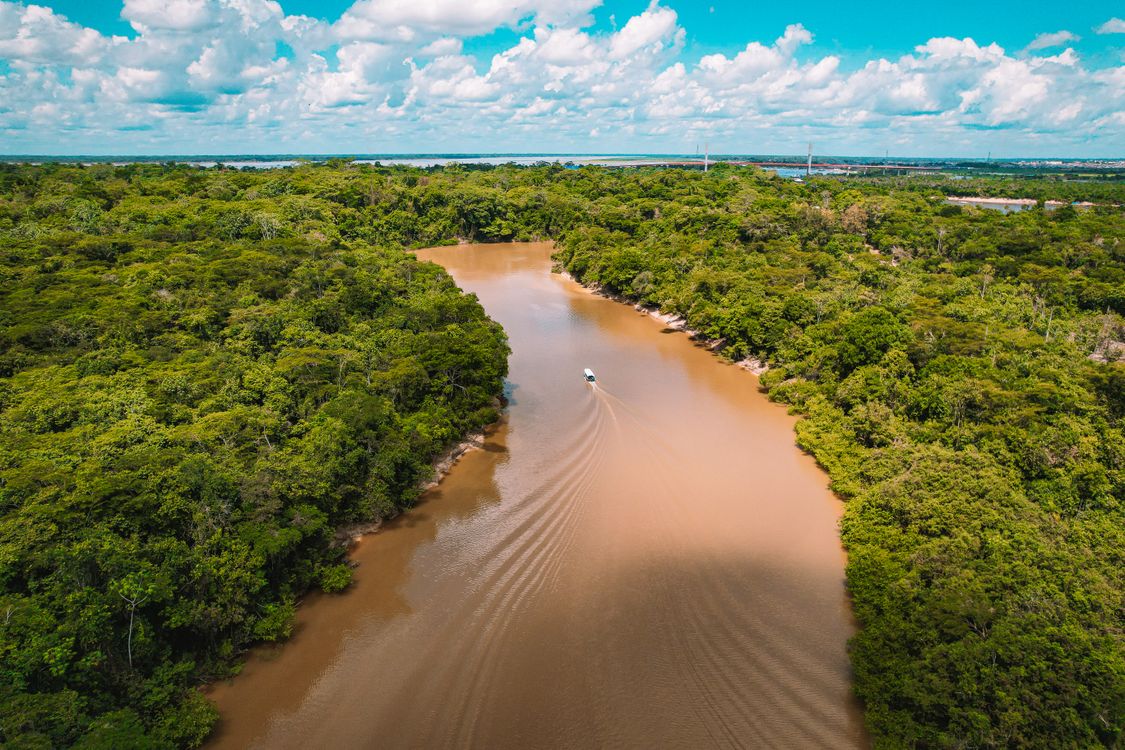
Aerial view of a boat navigating a muddy jungle river through the Amazon rainforest

Where the Wildlife Actually Is: Pacaya-Samiria

The richest water near Iquitos sits inside the Pacaya-Samiria National Reserve, which covers 2,080,000 hectares and records 1,025 species of vertebrates, 449 species of birds, and 965 species of wild plants (SERNANP). Those numbers explain why operators route multi-day trips toward the reserve rather than staying close to the city.

Common sightings over a few days include several monkey species, macaws and parrots, pink and gray river dolphins, sloths, and caimans spotted at night. Rarer residents, jaguars and anacondas among them, exist but reward patience and luck more than a short itinerary. A good guide manages expectations honestly: you are joining a living forest, not a zoo, and that unpredictability is the point.

Reaching the core reserve takes time on the water, which is why reserve-focused expeditions usually need four days or more. Shorter trips still deliver abundant wildlife in the forest around the lodge, just with a slightly tamer edge.

Who These Expeditions Suit and the Fitness Required

Most Amazon expeditions suit travelers with moderate fitness and a tolerance for heat and humidity. You do not need to be an athlete. You do need to walk a few hours on uneven, muddy ground, climb in and out of low canoes, and cope with sweat, rain, and insects without losing your good humor.

Families with older children, solo travelers, couples, and active retirees all do these trips regularly. Guides adjust the pace of hikes, and you can usually sit out an optional outing to rest at the lodge. People with serious mobility limits, or anyone who struggles in high heat, should discuss their needs with the operator before booking so the itinerary can flex.

What tends to catch first-timers off guard is not the physical effort but the environment: persistent humidity, biting insects, and simple lodge comforts. Pack light, quick-dry clothing, a good insect repellent, and a sense of flexibility. The travelers who enjoy these trips most come curious and relaxed, not expecting a resort.
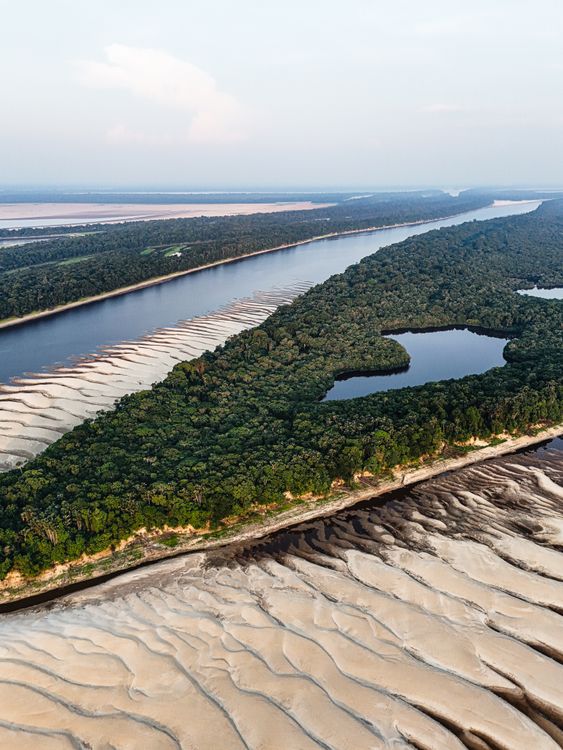
Aerial view of the Amazon River bend surrounded by lush tropical rainforest

What's Included: Guides, Meals, Lodge Stays, and Transfers

A reputable Amazon expedition price bundles the essentials into one figure, so the real work when comparing providers is checking what each quote leaves out. Most multi-day packages from Iquitos include a dedicated guide, all meals, lodge accommodation, drinking water, and transfers between Iquitos and the lodge.

Here is what is typically covered:

  • An English-speaking or bilingual guide, often with a local assistant
  • All meals during the trip, usually fresh and cooked at the lodge
  • Lodge or bungalow accommodation with mosquito protection
  • Boat transport for activities and the river transfer from Iquitos
  • Drinking water and scheduled excursions

And what usually sits outside the price:

  • Flights to and from Iquitos
  • Travel insurance and any vaccinations
  • Tips for guides and staff
  • Alcoholic or bottled soft drinks beyond water
  • Souvenirs and optional extras

The guide is the single biggest factor in trip quality. A knowledgeable local reads animal signs, finds camouflaged wildlife, and keeps you safe on night walks and river crossings. When you compare operators, weigh guide experience and group size at least as heavily as the headline price.

How Jungle Wolf Expedition Structures Small-Group Departures

Jungle Wolf Expedition runs small-group departures from its lodge near Iquitos, which keeps outings quiet and gives each traveler more guide attention. Small groups matter in the Amazon for a practical reason: wildlife bolts from noise, and a crowded canoe simply sees less than a quiet one.

The format pairs a fixed base lodge with daily excursions into surrounding forest and waterways, scaling the itinerary up for travelers who want to push deeper toward protected reserve water. Keeping departures small also lets guides tailor the pace, lingering where sightings are good and adjusting hikes to the group's fitness.

If you are weighing an Amazon rainforest expedition tour, start by deciding how many days you can give the forest, then ask each operator two direct questions: how large is the group, and how experienced is the guide. Those two answers predict your experience more reliably than any photo gallery. Reach out to Jungle Wolf Expedition with your travel dates and fitness level, and build the itinerary around real water levels for your season rather than a generic brochure.

Frequently asked questions

How many days should an Amazon expedition from Iquitos last?

Three to five days suits most first-time visitors. Three days covers the core river and jungle experience, while four or five days reaches deeper, quieter waters and improves wildlife sightings.

What fitness level do I need for a jungle expedition?

Moderate fitness is plenty. You should be able to walk a few hours on uneven, muddy ground in heat and humidity, and climb in and out of a canoe. No climbing or technical skills are required.

What is usually included in the price?

Most reputable operators include your guide, all meals, lodge accommodation, drinking water, and transfers from Iquitos. Flights to Iquitos, travel insurance, tips, and alcoholic drinks are typically extra.

What wildlife might I actually see near Iquitos?

Common sightings include monkeys, macaws and other birds, pink river dolphins, sloths, caimans on night outings, and countless insects. Jaguars and anacondas exist but are rarely seen in a few days.

When is the best time to go?

Both seasons work. High water (roughly December to May) favors canoe travel into flooded forest, while low water (June to November) exposes beaches and trails for better hiking and fishing.


Iquitos is a fascinating destination for those seeking adventure, nature, and an unmatched culinary experience. Located in the heart of the Peruvian Amazon, this city offers warm, sunny weather year-round, along with a variety of flavors that captivate every traveler. In this article, we explore why traveling to Iquitos is a one-of-a-kind experience.

1. Warm Climate and Sunshine All Year Round

One of the biggest advantages of Iquitos is its tropical climate. Unlike other regions where rain can ruin a trip, Iquitos enjoys sunshine almost every day, making it perfect for outdoor activities. Whether navigating the majestic Amazon River, exploring the jungle, or simply strolling through the city, good weather is always on your side.

2. Exotic and Delicious Cuisine

The food in Iquitos is one of the most flavorful and unique in Peru. The fusion of Amazonian ingredients with traditional recipes has resulted in signature dishes such as:

  • Juane: Rice wrapped in bijao leaves with chicken, spices, and olives.
  • Tacacho with Cecina: Fried plantain served with smoked cecina and regional sausage.
  • Grilled Paiche: A giant Amazonian fish prepared with an unparalleled taste.
  • Chapo and Amazonian Refreshments: Natural drinks like camu camu and aguaje, rich in vitamin C and antioxidants.

3. Unmatched Nature and Biodiversity

Iquitos is the gateway to the Amazon rainforest, home to an incredible diversity of wildlife. Here, you can see pink dolphins, sloths, monkeys, and a variety of exotic birds. You can also visit natural reserves like Pacaya Samiria, where wildlife thrives in its purest form.

4. Cultural Experience and Unique Hospitality

The warmth of the people of Iquitos makes every visitor feel welcome. In the city and surrounding areas, you can meet indigenous communities, learn about their traditions, and discover the ancestral wisdom of the Amazon. Additionally, Iquitos’ vibrant and festive atmosphere, with its music and traditional dances, creates an unforgettable experience.

Conclusion

If you’re looking for a destination with guaranteed sunshine, spectacular food, and unparalleled nature, then traveling to Iquitos is the best choice. Discover its landscapes, flavors, and culture while exploring the heart of the Amazon.

🌿 To plan your perfect adventure, visit Jungle Wolf Expedition: https://junglewolfexpedition.com/ and experience the best of Iquitos. 🌿

Exploring the jungle is one of the most fascinating experiences for nature and adventure lovers. Two of the world’s most famous destinations for this type of travel are the Peruvian Amazon and the African jungle. However, there are significant differences between these destinations that make the Amazon in Iquitos a more accessible, diverse, and safer option for travelers. In this article, we will analyze the advantages of this natural paradise compared to the African jungle.

1. Accessibility and Costs

One of the main advantages of visiting the Amazon in Iquitos is its easy access. Unlike many regions of the African jungle, which require expensive safaris or long flights on private planes, Iquitos has direct commercial flights from Lima. Additionally, the costs of accommodation, food, and excursions are significantly lower than in Africa, making it an ideal destination for those seeking a unique experience without spending a fortune.

2. Unparalleled Biodiversity

The Peruvian Amazon is the lung of the planet, hosting one of the greatest biodiversities of flora and fauna in the world. While the African jungle is known for its large mammals such as lions, elephants, and giraffes, the Amazon offers an unmatched richness of exotic species like pink dolphins, howler monkeys, macaws, anacondas, and jaguars. Additionally, the Amazon rainforest contains thousands of medicinal plant species that have been used by indigenous communities for centuries.

3. Authentic Nature Experience

Tourism in the African jungle is mainly focused on safaris, often conducted in off-road vehicles with a certain distance from the animals. In contrast, the Amazon experience is much more immersive. You can navigate the river in canoes, take nighttime hikes, sleep in eco-lodges deep in the jungle, and interact with indigenous communities, providing a much closer and more authentic contact with nature.

4. Safety and Lower Health Risks

While both destinations present natural challenges, the African jungle has additional risks such as the presence of dangerous large predators and more aggressive diseases like malaria or yellow fever in certain areas. In contrast, Iquitos and its surrounding Amazon region have more accessible and safer health controls for tourists, along with well-established tourist routes and operators with high safety standards.

5. Culture and Local Hospitality

The warmth and hospitality of Peruvians is another factor that makes the Amazon a special destination. In Iquitos, tourists can interact with indigenous communities such as the Boras or Yaguas, learn about their traditions, and gain firsthand knowledge of their ancestral wisdom. In contrast, tourism in Africa, while also offering cultural experiences, is often limited to short interactions in organized tours.

Conclusion

If you are looking for an unforgettable jungle experience with exceptional biodiversity, real nature immersion, and hassle-free accessibility, the advantages of visiting Iquitos far outweigh those of the African jungle. Not only will you enjoy a unique ecosystem, but you will also do so in a safer, more affordable, and culturally rich environment.

🌿 To experience this incredible adventure, visit Jungle Wolf Expedition and discover the best of the Peruvian Amazon. 🌿