

Key takeaways
- A guided Amazon rainforest expedition tour from Iquitos runs 3 to 5 days, mixing boat travel, jungle hikes, and wildlife spotting by day and night.
- The Pacaya-Samiria National Reserve spans 2,080,000 hectares and shelters 1,025 vertebrate species and 449 bird species, per Peru's SERNANP.
- Moderate fitness is enough for most travelers: expect humid walks of a few hours and getting in and out of canoes, not technical climbing.
- Reputable operators bundle guides, meals, lodge stays, and Iquitos transfers into one price, so compare what each quote actually covers.
- Jungle Wolf Expedition runs small-group departures from a lodge near Iquitos, which keeps wildlife-spotting quiet and guide attention high.
A guided Amazon rainforest expedition tour from Iquitos usually runs three to five days and blends boat travel on the river, walks through the jungle, and wildlife watching by day and after dark. You sleep in a riverside lodge, eat cooked meals, and follow a local guide who reads the forest for you. Below is what the days actually look like, who they suit, and what your money covers, so you can book with clear expectations rather than brochure gloss.
Iquitos is the launch point for nearly every serious expedition into the northern Peruvian Amazon. It is recognized by Guinness World Records as the largest city with no major road connection, reached only by river or air, which is exactly why the forest around it stays wild. Operators like Jungle Wolf Expedition run from a lodge near the city and head downriver into quieter water where wildlife is easier to find.
What a Typical Amazon Rainforest Expedition Tour Covers
An Amazon rainforest expedition tour is built around three repeating activities: river travel, jungle hikes, and wildlife spotting. The Amazon is home to at least 10 percent of the world's known species (Conservation International), so the goal of every outing is to put you in front of as much of that life as a few days allow.
River travel happens in a motorized boat for long transfers and a paddle canoe for close, quiet approaches to shoreline and flooded forest. Hikes range from short interpretive walks to half-day treks on muddy trails, where guides point out medicinal plants, insects, and tracks you would never notice alone. Wildlife spotting runs on a schedule that matches animal behavior: early mornings for birds, late afternoons for monkeys, and night trips by torchlight for caimans, frogs, and nocturnal insects.
Most trips also add piranha fishing, a visit to a local community, and a sunrise or sunset cruise. The exact mix depends on water levels and on what the guide spots that week.
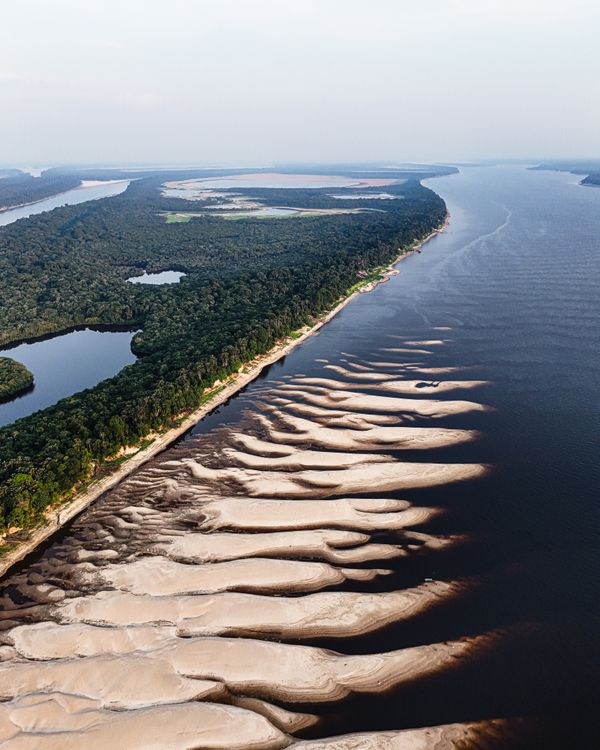
Day-by-Day: What a Multi-Day Expedition From Iquitos Looks Like
A four-day expedition is the common middle option, and it follows a predictable rhythm. The structure below reflects how departures near Iquitos are typically paced, with deeper reserves like Pacaya-Samiria reserved for longer trips.
Day 1: Transfer and First Contact
You are collected in Iquitos and driven to a port, then travel by boat to the lodge. After settling in and lunch, the first short walk or canoe outing eases you into the heat. Evening brings a night boat ride to look for caiman eyes reflecting in the torch beam.
Day 2: Deep Jungle and Wildlife
A full day starts early for a birding trip when the forest is loudest. A longer hike follows, with time to find monkeys, sloths, and insects. Afternoons often include piranha fishing or a swim where pink river dolphins surface. Expect to be on your feet for several hours.
Day 3: River Life and Communities
Day three pushes farther into the reserve or visits a riverside village. You might paddle through flooded forest, learn how families fish and farm the floodplain, and watch for macaws and toucans crossing overhead at dusk.
Day 4: Sunrise and Return
A final dawn outing catches the forest at its most active before you pack up. A boat and road transfer returns you to Iquitos, usually in time for an afternoon or evening flight out.
Longer five-day trips simply add a day deeper inside protected water, where boat traffic thins and sightings improve.
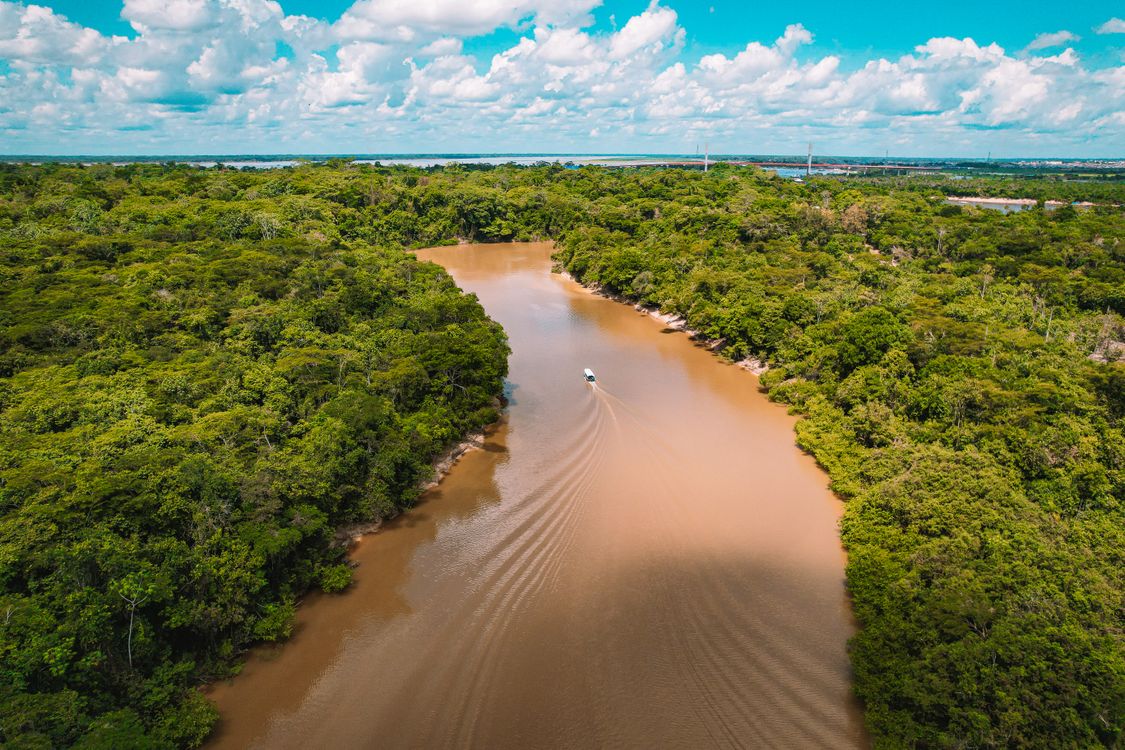
Where the Wildlife Actually Is: Pacaya-Samiria
The richest water near Iquitos sits inside the Pacaya-Samiria National Reserve, which covers 2,080,000 hectares and records 1,025 species of vertebrates, 449 species of birds, and 965 species of wild plants (SERNANP). Those numbers explain why operators route multi-day trips toward the reserve rather than staying close to the city.
Common sightings over a few days include several monkey species, macaws and parrots, pink and gray river dolphins, sloths, and caimans spotted at night. Rarer residents, jaguars and anacondas among them, exist but reward patience and luck more than a short itinerary. A good guide manages expectations honestly: you are joining a living forest, not a zoo, and that unpredictability is the point.
Reaching the core reserve takes time on the water, which is why reserve-focused expeditions usually need four days or more. Shorter trips still deliver abundant wildlife in the forest around the lodge, just with a slightly tamer edge.
Who These Expeditions Suit and the Fitness Required
Most Amazon expeditions suit travelers with moderate fitness and a tolerance for heat and humidity. You do not need to be an athlete. You do need to walk a few hours on uneven, muddy ground, climb in and out of low canoes, and cope with sweat, rain, and insects without losing your good humor.
Families with older children, solo travelers, couples, and active retirees all do these trips regularly. Guides adjust the pace of hikes, and you can usually sit out an optional outing to rest at the lodge. People with serious mobility limits, or anyone who struggles in high heat, should discuss their needs with the operator before booking so the itinerary can flex.
What tends to catch first-timers off guard is not the physical effort but the environment: persistent humidity, biting insects, and simple lodge comforts. Pack light, quick-dry clothing, a good insect repellent, and a sense of flexibility. The travelers who enjoy these trips most come curious and relaxed, not expecting a resort.
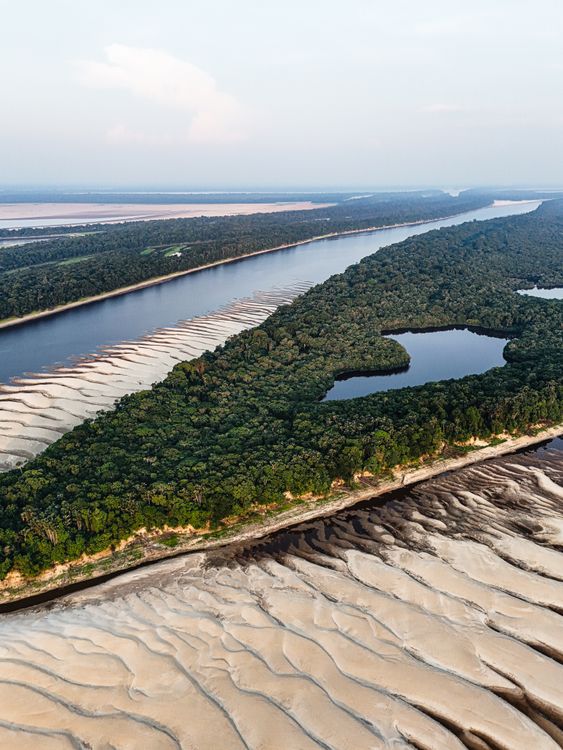
What's Included: Guides, Meals, Lodge Stays, and Transfers
A reputable Amazon expedition price bundles the essentials into one figure, so the real work when comparing providers is checking what each quote leaves out. Most multi-day packages from Iquitos include a dedicated guide, all meals, lodge accommodation, drinking water, and transfers between Iquitos and the lodge.
Here is what is typically covered:
- An English-speaking or bilingual guide, often with a local assistant
- All meals during the trip, usually fresh and cooked at the lodge
- Lodge or bungalow accommodation with mosquito protection
- Boat transport for activities and the river transfer from Iquitos
- Drinking water and scheduled excursions
And what usually sits outside the price:
- Flights to and from Iquitos
- Travel insurance and any vaccinations
- Tips for guides and staff
- Alcoholic or bottled soft drinks beyond water
- Souvenirs and optional extras
The guide is the single biggest factor in trip quality. A knowledgeable local reads animal signs, finds camouflaged wildlife, and keeps you safe on night walks and river crossings. When you compare operators, weigh guide experience and group size at least as heavily as the headline price.
How Jungle Wolf Expedition Structures Small-Group Departures
Jungle Wolf Expedition runs small-group departures from its lodge near Iquitos, which keeps outings quiet and gives each traveler more guide attention. Small groups matter in the Amazon for a practical reason: wildlife bolts from noise, and a crowded canoe simply sees less than a quiet one.
The format pairs a fixed base lodge with daily excursions into surrounding forest and waterways, scaling the itinerary up for travelers who want to push deeper toward protected reserve water. Keeping departures small also lets guides tailor the pace, lingering where sightings are good and adjusting hikes to the group's fitness.
If you are weighing an Amazon rainforest expedition tour, start by deciding how many days you can give the forest, then ask each operator two direct questions: how large is the group, and how experienced is the guide. Those two answers predict your experience more reliably than any photo gallery. Reach out to Jungle Wolf Expedition with your travel dates and fitness level, and build the itinerary around real water levels for your season rather than a generic brochure.
Frequently asked questions
How many days should an Amazon expedition from Iquitos last?
Three to five days suits most first-time visitors. Three days covers the core river and jungle experience, while four or five days reaches deeper, quieter waters and improves wildlife sightings.
What fitness level do I need for a jungle expedition?
Moderate fitness is plenty. You should be able to walk a few hours on uneven, muddy ground in heat and humidity, and climb in and out of a canoe. No climbing or technical skills are required.
What is usually included in the price?
Most reputable operators include your guide, all meals, lodge accommodation, drinking water, and transfers from Iquitos. Flights to Iquitos, travel insurance, tips, and alcoholic drinks are typically extra.
What wildlife might I actually see near Iquitos?
Common sightings include monkeys, macaws and other birds, pink river dolphins, sloths, caimans on night outings, and countless insects. Jaguars and anacondas exist but are rarely seen in a few days.
When is the best time to go?
Both seasons work. High water (roughly December to May) favors canoe travel into flooded forest, while low water (June to November) exposes beaches and trails for better hiking and fishing.
