Key takeaways

  • Peru holds 1,860 bird species, the second-highest national total in the world, which makes the Iquitos region one of the densest birding destinations on Earth.
  • Dawn, roughly 5:30 to 7:30 AM, and the last hours before dusk are when canopy birds are loudest and most visible.
  • Macaws, toucans, hoatzins, and raptors each favor different habitats, so a varied itinerary of river, flooded forest, and canopy stops lifts your species count.
  • A knowledgeable local guide who knows call sites and clay licks is the single biggest factor in finding target species.

Peruvian Amazon birdwatching delivers one of the richest bird lists on the planet, with scarlet macaws, toucans, hoatzins, and harpy eagles all within reach of a lodge near Iquitos. Peru holds 1,860 recorded bird species, according to BirdLife International data cited by Guinness World Records, the second-highest national total in the world. This guide covers the species to target, where and when to find them, the gear you actually need, and how a good guide turns a long list into a day of real sightings.

Iconic species: macaws, toucans, hoatzins, and raptors

The headline birds of the Peruvian Amazon split into four groups, each with its own habits and habitat. Learning those habits is the fastest way to know where to point your binoculars.

Macaws. The scarlet macaw (Ara macao) is the one most people picture: brilliant red, yellow, and blue, usually seen flying in noisy pairs above the canopy. The blue-and-yellow macaw (Ara ararauna) prefers flooded forest and palm swamps. Both visit clay licks, known locally as colpas, where they eat mineral-rich clay from riverbanks that helps neutralize toxins in the seeds and unripe fruit they feed on. Clay licks are most active in the early morning.

Toucans. Several toucan species live around Loreto, including the channel-billed and white-throated toucans. They are fruit eaters and important seed dispersers, and you will often hear their loud croaking calls before you see them perched high in the canopy. Early morning and late afternoon are the best times to catch them moving between fruiting trees.

Hoatzin. The hoatzin (Opisthocomus hoazin), called shansho in the region, is one of the strangest birds in the Amazon. It digests leaves through foregut fermentation, more like a cow than a typical bird, and its chicks have claws on their wings for climbing. Hoatzins stay close to oxbow lakes and slow river edges, flap clumsily through riverside vegetation, and are among the easiest unusual birds to see from a boat.

Raptors. The harpy eagle (Harpia harpyja) is the prize, an apex predator that nests in towering emergent ceiba and kapok trees. Sightings are rare and reward patience in undisturbed primary forest. More common raptors include the ornate hawk-eagle, black hawk-eagle, and slate-colored hawk.

Best habitats and canopy spots near Iquitos

The Iquitos region packs several distinct habitats into a small area, and each one holds a different cast of birds. The protected forests around the city are exceptionally rich: the Allpahuayo-Mishana National Reserve alone holds 476 bird species across its 58,069 hectares, according to Peru's national protected areas service, SERNANP. That is a remarkable concentration for a single reserve.

To build a strong species list, plan stops across these habitats:

  • River and oxbow lake edges. Boat routes along tributaries are where you find hoatzins, kingfishers, herons, and hawks perched over the water.
  • Flooded forest, or várzea. Seasonally submerged forest draws blue-and-yellow macaws and a range of waterbirds, best reached by canoe in the wet months.
  • Terra firme primary forest. The tall, non-flooded forest holds understory species, trogons, antbirds, and the best chance at a harpy eagle.
  • Clay licks (colpas). Riverside clay banks pull in macaws and parrots at dawn in spectacular numbers.

The single best way to see canopy birds is to get up to their level. Observation towers and canopy walkways put you eye to eye with the emergent treetops where macaws, toucans, and raptors spend their days. From the forest floor, these same birds are often just silhouettes against the sky.

Ideal times of day and season for birding

Birds in the Amazon run on a tight daily schedule, and matching it matters more than almost anything else. The peak window is dawn, roughly 5:30 to 7:30 AM, when the forest erupts in song and birds feed before the heat builds. A second, quieter burst of activity comes in the late afternoon, from about 4:00 PM until dusk. Through the hot middle of the day, most birds retreat into shade and fall silent, so that is the time to rest, review your list, or travel between sites.

Season shapes access more than it shapes the birds themselves, since the Amazon has no migration lull on the scale of temperate zones.

  • Dry season (May to October): Lower water levels mean easier trail walking and more time in terra firme forest. Clay lick activity is reliable.
  • Wet season (November to April): Rising rivers flood the forest and open up canoe routes deep into várzea, which is prime territory for waterbirds and hoatzins.

Both seasons are productive, so the right choice depends on whether you prefer walking trails or paddling flooded forest. If you are still deciding when to travel, it is worth mapping your dates against the monthly rainfall and water-level patterns around Iquitos.

Gear and etiquette for Peruvian Amazon birdwatching

Good birding gear in the Amazon rewards function over price. The goal is equipment that keeps working in heat, rain, and low light, and a few items do most of that work.

Pack this core kit:

  • Binoculars in the 8×42 or 10×42 range, which balance magnification with the bright, steady view you need under a dark canopy.
  • A field guide or birding app covering Peru or the western Amazon, downloaded for offline use since signal disappears fast.
  • Neutral, quiet clothing in greens and browns, with long sleeves against insects and sun.
  • Rain protection for both you and your optics, because a downpour can arrive in minutes.
  • A small notebook for logging species, since memory fades by the next sighting.

Beyond binoculars, pack the same essentials any Amazon trip calls for: quick-dry layers, insect repellent, a headlamp, and sturdy footwear for muddy trails.

Etiquette protects both the birds and everyone else's experience. Keep your voice low and movements slow. Avoid heavy use of call playback, which can stress territorial birds and is discouraged near nests. Never approach clay licks or nesting sites closely enough to flush the birds, and follow your guide's lead on distance. Leave no trace on the trails, and let the quieter members of the group get their turn at the scope.

How guides help you tick off target species

A skilled local guide is the single biggest factor in a successful birding trip, and the reason is simple: most Amazon birds are heard long before they are seen. Guides at Jungle Wolf Expedition know the territory around Iquitos by sound, recognizing dozens of calls instantly and tracing them to a specific perch while a visitor is still scanning empty branches. That skill alone can double or triple your daily species count.

Guides also know the geography of a sighting. They know which colpa the macaws visit at first light, which oxbow lake reliably holds hoatzins, and which stretch of primary forest has an active raptor nest. They time the day around bird behavior, starting before dawn and positioning you where the action will be rather than chasing it afterward. When you share a target list in advance, a good guide builds the itinerary around those species.

That local knowledge is woven into the broader wildlife experience too. Many birding outings overlap with mammal and dolphin sightings along the rivers, and you can read more about the full range in our overview of the wildlife you can spot on a Peruvian Amazon tour.

Start planning your birding trip

The most productive next step is to write down the five or six species you most want to see, then share that list with your guide before you arrive. With your targets known, a guide can shape each dawn start and river route around the birds that matter most to you, and the Iquitos region gives you a genuine shot at all of them. Bring good binoculars, respect the quiet of the forest, and let the dawn chorus do the rest.

Frequently asked questions

How many bird species can you see in the Peruvian Amazon near Iquitos?

Peru has 1,860 recorded bird species, and a single protected area near Iquitos, the Allpahuayo-Mishana National Reserve, holds 476 of them. A focused multi-day trip can realistically log well over 100 species.

What is the best time of day for birdwatching in the Amazon?

Dawn, roughly 5:30 to 7:30 AM, is the peak window, with a second burst of activity in the late afternoon before dusk. Midday heat pushes most birds into cover.

What is the best season for Peruvian Amazon birdwatching?

The dry season from May to October offers easier trail access, while the wet season from November to April floods the forest and favors waterbirds and hoatzins reached by canoe. Both seasons are productive.

Do I need a guide to go birdwatching in the Amazon?

You can spot common species alone, but a local guide who knows calls, clay licks, and canopy perches dramatically increases how many target birds you find, especially shy raptors and understory species.

Key takeaways

  • An Amazon jungle night walk is a short, guided ground-level excursion where frogs, insects, spiders and snakes become far easier to find than during the day.
  • Peru's rainforest holds extraordinary amphibian and reptile diversity, which is exactly why the darkness is so productive for wildlife sightings.
  • A headlamp, closed shoes, long sleeves and a willingness to stop and listen are the core of a good night walk.
  • Guides keep the experience safe by setting pace, spotting animals early and reading the forest, so you can focus on what you are seeing and hearing.

The Amazon you walk through at noon and the Amazon you walk through at night are barely the same place. On an Amazon jungle night walk, a quiet stretch of trail that looked empty by day fills with eyeshine, croaking frogs, hunting spiders and the slow movements of snakes, because most rainforest animals wait for darkness to feed, mate and travel.

This guide explains what you will actually see and hear on a night walk near Iquitos, Peru, how guides keep the outing safe, and what to pack so you get the most out of it. If you have only ever experienced the jungle in daylight, the night shift is where a lot of the real action happens.

Why an Amazon Jungle Night Walk Delivers So Much

Rainforests run on two schedules. Daytime belongs to monkeys, many birds and insects that rely on sight. After sunset, a different cast takes over: creatures that hunt by smell, sound, heat or vibration, and that spend the hot hours hidden under leaves, inside bark or down in the soil.

Darkness also changes the humans in the group. Without the visual overload of a bright forest, your ears take over, and the Amazon turns out to be astonishingly loud at night. The payoff is density. Peru's rainforest is one of the most biologically rich places on Earth, and a surprising share of that life is nocturnal or most active in the cool hours after dusk.

Nearby protected areas make the point. Peru's Manu National Park holds a world record for amphibian and reptile diversity, with 155 amphibian species and 132 reptile species, for a total of 287 species documented in and around the park, according to reporting on the published survey. The concentration is remarkable: researchers noted that the park covers only 0.01 percent of the planet's land area yet houses 2.2 percent of all amphibians and 1.5 percent of all reptiles known worldwide, as summarized in coverage of the study. Night is simply when much of that life shows itself.

Nocturnal Creatures: Frogs, Insects, Snakes and More

The stars of most night walks are the small animals that are nearly impossible to find in daylight.

Frogs. Amphibians are the headline act. Tree frogs cling to leaves at eye level, their throats pulsing as they call. Many have skin patterns that vanish against bark by day but glow under a headlamp beam at night. Listen for the deeper, resonant calls of larger frogs down near the water.

Insects and spiders. Katydids, stick insects, beetles and moths are everywhere once you learn to look. Shine your light low along the trail and you will catch the greenish glint of wolf spider eyes staring back. Larger tarantulas sit at the mouths of their burrows waiting for prey, and columns of ants move across the path on their own schedule.

Snakes. Several Amazon snakes are nocturnal hunters, and a night walk is one of the better chances to see one safely. Guides spot them early, keep the group at a respectful distance and explain which species are harmless and which deserve caution. You watch; you do not touch.

Other visitors. Depending on the night and the season, you may also find caimans with eyes reflecting red along a stream, roosting birds, bats working the air above the canopy gaps, and the occasional nocturnal mammal slipping through the undergrowth.

How Guides Lead a Safe Night Expedition

A night walk is safe because it is guided, not improvised. At Jungle Wolf Expedition, outings leave from the lodge on established trails with a guide who knows the ground in both light and dark.

Good guiding on a night walk comes down to a few habits:

  • Pace. The group moves slowly and stops often. Rushing is how you miss animals and how you trip over roots.
  • Spotting. Guides sweep their lights at the right height and angle to catch eyeshine and frog calls before anyone else notices them, then bring the group in quietly.
  • Positioning. With snakes, spiders and caimans, the guide sets the viewing distance so you get a clear look without disturbing the animal or putting anyone at risk.
  • Reading the forest. Experienced guides know which trails flood, where biting insects cluster and when to turn back.

Walks are usually short, often an hour or two close to the lodge, so there is no long trek in the dark. Staying with the guide and keeping the group together is the single most important rule.

What to Bring for a Nighttime Jungle Walk

You do not need much, but a few items make a real difference.

  • Headlamp. A head-mounted light keeps your hands free and lets you follow the guide's beam. Bring spare batteries. A handheld flashlight works as a backup.
  • Closed shoes. Trail shoes or rubber boots protect your feet and ankles. Sandals are a poor choice at night.
  • Long sleeves and long trousers. Lightweight, breathable layers cut down on insect bites and brush.
  • Insect repellent. Apply before you set out, and reapply if the walk runs long.
  • A small camera or phone. Macro shots of frogs and insects can be stunning, though many guests find it more rewarding to simply watch.
  • Water. Even a short walk in Amazon humidity is warm work.

Leave loud gear, strong perfumes and bright white phone screens behind, since they can scatter the very animals you came to see.

The Sounds of the Amazon Night, Explained

Turn your headlamp off for a moment, with your guide's blessing, and the forest becomes a wall of sound. Most of it is easy to decode once you know the players.

  • The steady, pulsing chorus is frogs and toads. Different species call at different pitches, and the mix shifts through the night.
  • The sharp, rhythmic chirps and buzzes come from katydids, crickets and cicadas, often so loud they seem mechanical.
  • Sudden splashes near water are usually fish, caimans or a frog making an exit.
  • Rustles in the leaf litter are small animals on the move, from insects to foraging mammals.
  • Hoots, whistles and screeches overhead can be owls, nightjars or other night birds.

Part of what makes an Amazon night walk memorable is learning to separate these layers instead of hearing them as one undifferentiated roar. A good guide will stop the group and name the sounds as they happen.

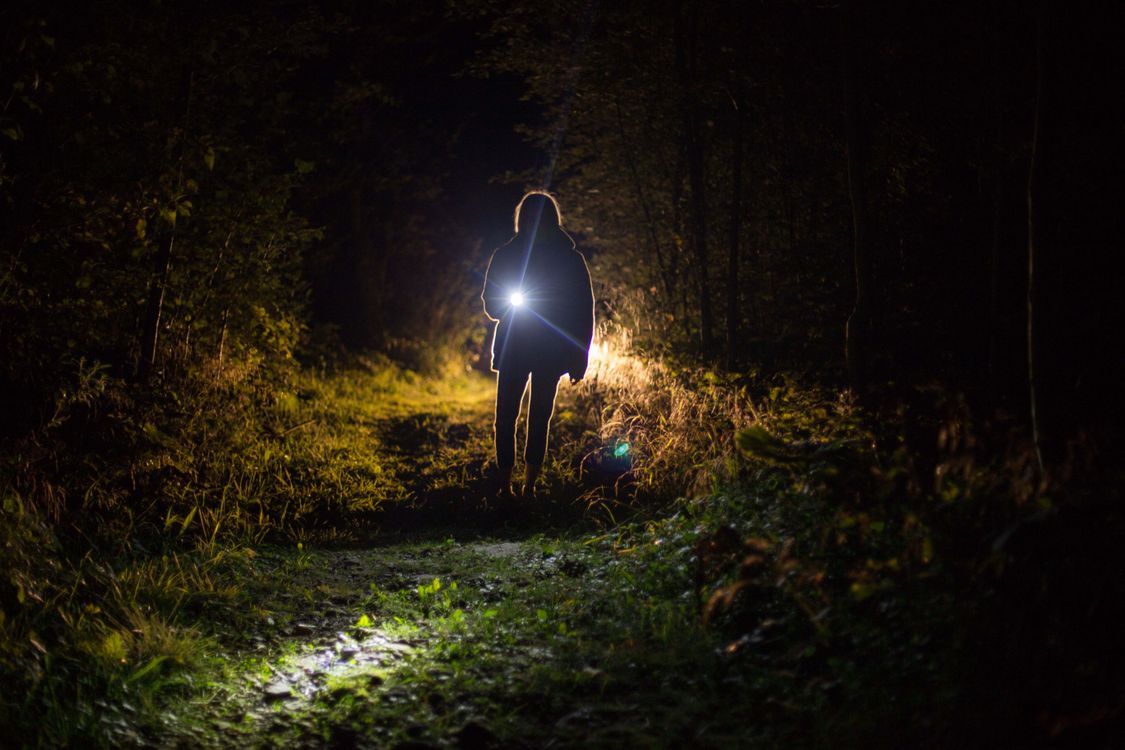
A dark forest trail lit by a single flashlight beam during a night walk

Why Night Walks Are a Highlight for Many Travelers

Ask guests which part of a multi-day stay they remember most and the night walk comes up again and again. There are a few reasons it lands so well.

It delivers sightings that daytime simply cannot. Frogs, spiders, snakes and insects that stay hidden under the sun are out in the open after dark, so even a short walk tends to produce a long list of finds. It also shifts how you experience the forest. Stripped of its daytime scale and color, the jungle becomes intimate and a little mysterious, lit only by the cone of your headlamp.

For families and first-timers, it is approachable. The walks are short, close to the lodge and fully guided, which makes them far less intimidating than a long trek. And the soundscape alone, that dense wall of frogs and insects, is something most travelers have never heard anywhere else.

A night walk pairs naturally with the rest of an itinerary. It slots easily into the evening of a day spent on the river or trails, and it is a common fixture on both shorter and longer stays. If you are still weighing trip length, our comparison of a 3-day versus 5-day Amazon jungle tour can help you decide how many nights you want in the forest.

Plan Your First Night Walk

If a night walk is on your list, build your trip around at least one or two full nights at the lodge so you have the evenings to spare, and tell your guide at the start that nocturnal wildlife is a priority. From there, pack a reliable headlamp, keep your expectations open, and let the darkness do the rest. Reach out to Jungle Wolf Expedition to fit a guided night walk into your Amazon itinerary near Iquitos.

Frequently asked questions

How long does an Amazon jungle night walk last?

Most night walks run about one to two hours on trails close to the lodge, so there is no long trek in the dark.

Is a night walk in the Amazon safe?

Yes, when it is guided. A guide sets the pace, spots snakes and other animals early, and keeps the group at a safe viewing distance on known trails.

What animals will I see on a night walk?

Commonly tree frogs, katydids, stick insects, spiders and occasionally snakes or caimans. The exact sightings vary with the season and the night.

What should I bring for a nighttime jungle walk?

A headlamp with spare batteries, closed shoes, long sleeves and trousers, insect repellent and water. A handheld flashlight makes a good backup.

Key takeaways

  • Piranha fishing near Iquitos uses a short pole, a hand line, and small chunks of raw meat, so beginners can catch fish within minutes.
  • Piranhas pose very little real danger to people, and healthy swimmers routinely share these rivers without harm.
  • The low-water season from June to November concentrates fish in shrinking channels and lakes, making it the easiest time to fish.
  • Many lodges, including Jungle Wolf Expedition, cook your catch the same day, turning the trip into a fresh riverside meal.

Piranha fishing in the Amazon is one of the easiest and most memorable activities a first-time visitor can try. You sit in a small boat with a short pole, drop a baited line into dark water, and feel a sharp tug within minutes. No casting skill, no expensive tackle, and no real danger are involved, which is why guides near Iquitos put rods in the hands of travelers of all ages.

This guide explains how the fishing actually works on jungle rivers, what gear and technique you need, the real story behind the scary reputation, and what happens to the fish you land.

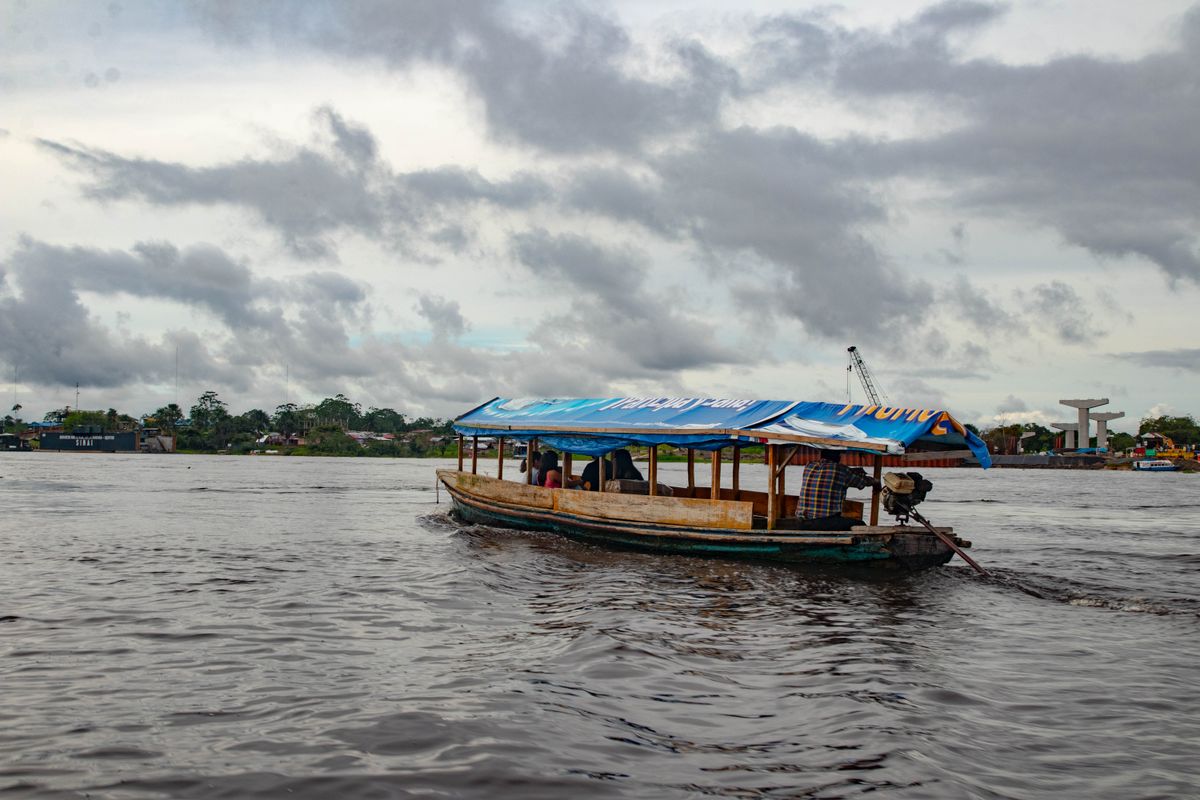
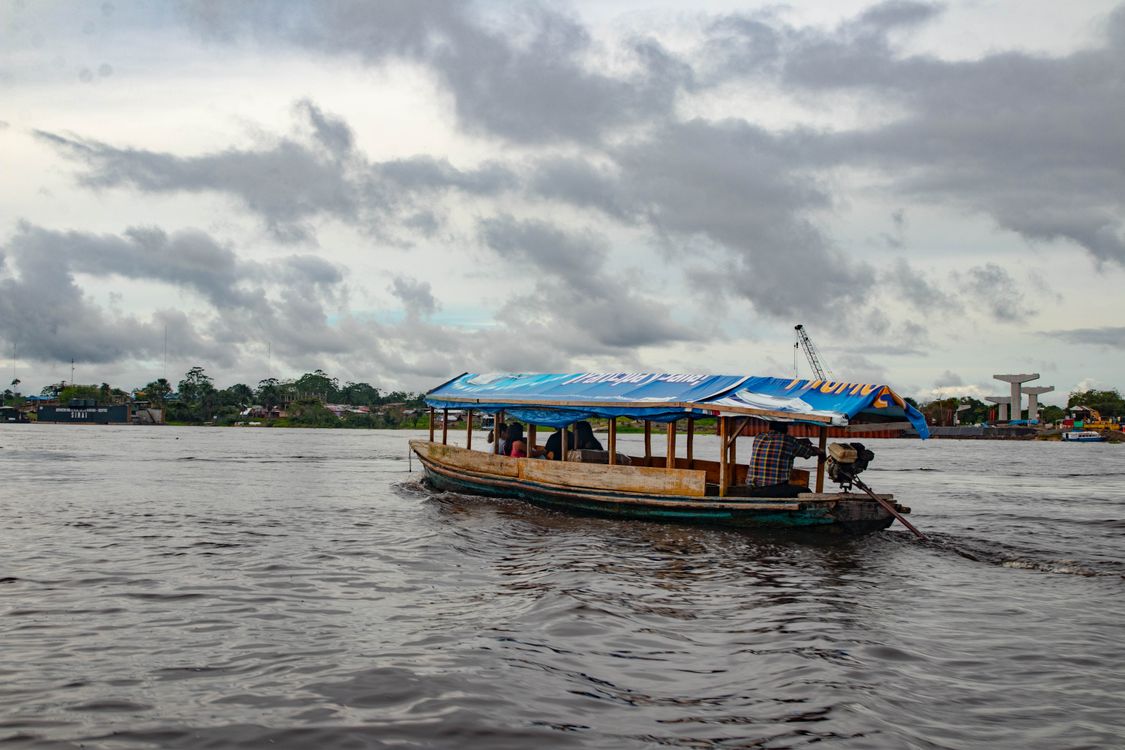
A traditional wooden passenger boat on the wide Amazon River near Iquitos, Peru under a cloudy sky

How piranha fishing works on jungle rivers

Piranha fishing on Amazon rivers relies on calm backwaters rather than the fast main current. Guides steer dugout or motorized canoes into flooded forest edges, oxbow lakes, and quiet side channels where piranhas gather to feed. The water is tannin-dark, so you fish by feel and sound instead of by sight.

The method is deliberately low-tech. You lower a baited hook a meter or so below the surface, then tap or splash the line to imitate a struggling animal. Piranhas are drawn to vibration and the scent of meat, and they strike hard and fast. Because they often steal bait without hooking themselves, the real skill is timing your pull the instant you feel contact.

Red-bellied piranhas, the species most travelers catch, are social fish that gather in groups. When one takes the bait, others usually move in, so a good spot can produce several fish in a short stretch of time. That fast feedback is what makes the activity so satisfying for beginners.

Gear, technique, and guide support

The gear for piranha fishing is simple enough to learn in under a minute:

  • A short wooden pole or a hand line wound on a spool
  • A length of strong monofilament line
  • A single sturdy hook, since piranha teeth shred light tackle
  • Small chunks of raw meat or cut fish for bait

Your technique matters more than your equipment. Drop the bait, let it settle, then jiggle the line to send out vibrations. When you feel a bite, snap the pole upward with a quick, firm motion. Piranhas have hard mouths and sharp teeth, so a gentle lift usually lets them escape with your bait.

Guides do the heavy lifting that keeps beginners from getting frustrated. They read the water, choose productive spots, bait the hooks, and unhook your catch safely so no one's fingers go near those teeth. At Jungle Wolf Expedition, piranha fishing is built into multi-day excursions from the lodge near Iquitos, with guides handling the gear and the fish while you focus on the fun part. If you are still deciding how long to stay, our comparison of a 3-day versus 5-day Amazon jungle tour can help you plan around activities like this one.

Safety: the myths versus the reality

Piranhas are far less dangerous to humans than movies suggest. The image of a swimmer stripped to bone in seconds comes largely from a staged spectacle that Theodore Roosevelt witnessed and then described in dramatic terms during his 1913 Amazon expedition, as the Smithsonian has documented. That single sensational account shaped a century of fear that the fish simply do not earn.

In reality, red-bellied piranhas are opportunistic omnivores. They eat insects, smaller fish, crustaceans, seeds, and plant matter, and they scavenge carrion when they find it. Healthy people routinely swim, bathe, and wade in piranha waters throughout the Amazon basin without harm. For a readable, science-based breakdown of the species and the Roosevelt legend, the Smithsonian's overview of piranha facts is a reliable starting point.

Documented bites do happen, but they are rare and almost always minor, typically occurring when someone disturbs a fish guarding its nest during breeding season or wades into water where food scraps have been dumped. The practical rules on a guided trip are easy: keep your hands away from a caught fish's mouth, let the guide do the unhooking, and follow local advice about where to swim. Handled this way, piranha fishing is a low-risk activity suitable for families.

Catch-and-cook experiences at the lodge

One of the best parts of piranha fishing is eating what you catch. Piranha is a traditional food along the Amazon, and the firm white flesh is mild rather than fishy. After an afternoon on the water, lodges often clean the catch and serve it the same day, usually grilled over an open flame or fried whole with rice, plantains, and lime.

This catch-and-cook rhythm turns a fishing outing into a full cultural experience. You see where your meal comes from, watch it prepared the way local families have done for generations, and taste the river directly. At Jungle Wolf Expedition, guides and kitchen staff coordinate so that a successful afternoon can become part of that evening's dinner back at the lodge.

If you want the broader picture of lodge life and daily rhythms before you book, our guide on what to really expect from an Amazon rainforest expedition covers how fishing fits alongside wildlife watching, night walks, and river excursions.

Best seasons and spots near Iquitos

The low-water season, roughly June through November, is the easiest time to fish for piranhas near Iquitos. As rivers fall, fish become concentrated in shrinking lakes, channels, and lagoons, so your bait reaches far more hungry mouths in a smaller area. Beaches and exposed banks also appear, opening up calm pools that are ideal for a relaxed afternoon of fishing.

During the high-water season, roughly December through May, the forest floods and fish spread out across a vast maze of submerged trees. Fishing still works, but the catch is less predictable because the piranhas have so much more territory and food to roam through. Many travelers enjoy this season for its easy canoe access deep into the flooded forest, where fishing blends with close wildlife encounters.

The best spots are the quiet off-river waters your guide knows well: oxbow lakes, flooded forest margins, and slow side channels away from boat traffic. These are the same productive backwaters where you might spot pink river dolphins or caimans between casts, which is why fishing is often paired with other excursions on the same outing.

Weather also shapes the experience. Early morning and late afternoon tend to produce the most consistent bites, when the heat eases and fish move into the shallows to feed. A light rain rarely stops the fishing, and overcast skies can even improve it. Your guide will time the outing around these windows, so a half-day trip usually lands you on the water when the piranhas are most active rather than during the slow midday lull.

Piranha fishing is a small, affordable experience that delivers an outsized memory, and it fits neatly into almost any multi-day itinerary. The simplest next step is to tell your lodge you want it included, then build your trip around the low-water months if your schedule allows. Reach out to Jungle Wolf Expedition to add a guided piranha fishing afternoon to your Amazon adventure near Iquitos.

Frequently asked questions

Is piranha fishing in the Amazon dangerous for tourists?

No. You fish from a boat or bank with a guide, and piranhas are not interested in people. Documented bites are rare and almost always minor.

What bait do you use to catch piranhas?

Guides use small pieces of raw meat or fish on a simple hook. Piranhas strike fast, so you jerk the line the moment you feel a tug.

When is the best time to fish for piranhas near Iquitos?

The low-water season from June to November is best, because falling rivers trap fish in smaller channels and lakes where they feed aggressively.

Can you eat the piranhas you catch?

Yes. Piranha is a common local food. Most lodges grill or fry your catch the same day, and the firm white meat is mild and tasty.

Do you need fishing experience to join a piranha trip?

No experience is needed. The gear is a hand line and a hook, your guide handles the tricky parts, and children often catch fish easily.

Key takeaways

  • A 3-day Amazon tour covers core wildlife and river life but stays close to the lodge, while a 5-day trip reaches deeper, less-traveled forest.
  • Overnight jungle camping, long reserve excursions, and multi-day river travel into protected areas typically unlock only on 5-day expeditions.
  • Per-day cost usually drops on longer trips because fixed transfer and guide costs spread across more days.
  • Choose 3 days if your schedule or budget is tight; choose 5 days if deep wildlife access and remote forest matter most.
  • Pairing a short jungle tour with a separate Iquitos or river-dolphin day can match a 5-day experience without the full commitment.

Choose a 3-day Amazon jungle tour if your schedule is tight and you want a strong introduction to the rainforest; choose a 5-day tour if you want to reach remote forest, camp overnight, and give wildlife more chances to appear. When travelers weigh a 3 day vs 5 day Amazon tour near Iquitos, the real question is depth of access, not whether a short trip "counts." Both deliver real jungle. The difference is how far you get from the lodge and how many excursions fit before you head home.

This guide breaks down what each duration realistically delivers, which activities need the extra days, how the cost and value compare, and how to combine options into the itinerary that fits you.

What You Can Realistically Experience in Each Duration

A 3-day tour from Iquitos usually means two nights at a lodge. Day one covers the river transfer and an afternoon outing. Day two is your full day: a dawn birdwatching run, a jungle walk, piranha fishing, and a night excursion for caimans and nocturnal wildlife. Day three wraps up with an early activity before the return journey. It is a complete sampler of the Peruvian Amazon, and for many visitors it is enough to see monkeys, macaws, and, on river trips, the region's famous pink river dolphins.

A 5-day tour keeps those same core activities but removes the rush. With four nights, your guide can push into forest that sits too far for a short itinerary, repeat outings in different weather, and build in rest. Wildlife viewing rewards patience: more time on the water and in the trees means more sightings. That matters in a region this rich. Peru holds roughly 695 known breeding bird species and about 460 known mammal species, placing it third in the world on both counts, according to Discover Peru. You will not see all of it in three days, or even five, but more days raise your odds.

Activities Unlocked Only on Longer Expeditions

Some experiences simply need the extra time to be practical:

  • Overnight jungle camping. Sleeping in the forest, away from the lodge, is a highlight that requires a buffer day on either side. It rarely fits a 3-day plan.
  • Deep reserve excursions. Reaching the interior of a large protected area means hours of river travel each way. A reserve as vast as Pacaya-Samiria needs a full day you only have on a longer trip.
  • Multi-habitat coverage. Longer trips let you move between flooded forest, terra firme, and oxbow lakes rather than staying in one zone.
  • Survival and bushcraft sessions. Learning to build shelter, find water, or identify medicinal plants is unhurried content that fits a 5-day frame.

If these are on your must-do list, a short tour will leave them out. A longer expedition like those run by Jungle Wolf Expedition is built around having the days to reach deeper forest safely.

Cost and Value: 3 Day vs 5 Day Amazon Tour

Headline price always favors the shorter trip, but per-day value tells a different story. A chunk of any Amazon tour cost is fixed: your flight connection, airport pickup in Iquitos, the long boat transfer, guide assignment, and park fees. Those costs barely change whether you stay three days or five. Spread them across more days and the daily rate drops.

So a 5-day tour costs more in total while often costing less per day than a 3-day tour. The extra nights mainly add lodging, meals, and fuel for further excursions, which are the cheaper parts of the package. If you are flying from another continent, the value math leans toward longer: you have already paid the big travel cost to get to Iquitos, so adding days is efficient.

Demand is climbing, which affects availability and pricing in peak months. Peru's protected natural areas welcomed more than 2.4 million visitors in 2024, an increase of over 470,000 (+24%) versus 2023, according to figures from SERNANP reported by Inbound Peru. Booking earlier helps secure the dates and tour length you want.

Who Should Pick a Shorter vs Longer Trip

Pick a 3-day tour if:

  • Your overall trip is short and the Amazon is one stop among several.
  • You want a first taste of the rainforest before committing to more.
  • Budget is the deciding factor and you want the lowest total price.
  • You prefer a gentler pace with less time in remote, rugged conditions.

Pick a 5-day tour if:

  • You have travelled a long way and want the journey to Iquitos to pay off.
  • Wildlife is the priority and you want maximum chances to spot it.
  • Camping, deep reserve access, or multi-habitat exploration appeals to you.
  • You are comfortable with more time off-grid and want fewer other travelers around.

Fitness and comfort with heat and humidity matter too. Longer trips mean more consecutive days of walking, boat travel, and insect exposure. Packing the right gear helps either way, but it is more critical when you will be out for five days.

Combining Options for the Ideal Itinerary

You do not have to treat this as a strict either-or. A practical middle path is a 3-day lodge tour paired with separate, shorter experiences around it. You might add a river-dolphin outing, a day exploring Iquitos and its markets, or a boat trip toward a reserve edge. Stitched together, these can approach the variety of a 5-day expedition while keeping each segment flexible.

Timing shapes the plan as much as length. High-water and low-water seasons change which excursions are possible, since flooded forest opens up canoe routes that dry channels later close. Checking the best time to visit before you lock in a duration keeps your chosen activities realistic.

If you are still deciding, start by listing the two or three experiences you most want from the Amazon. If they are core sightings and river life, book a 3-day tour and keep your schedule open. If they include camping, deep reserve access, or simply more time in the wild, commit to five days and let the forest reveal itself at its own pace. Either way, confirm your dates and tour length with an operator early, and plan your Iquitos arrival around them so the first morning in the jungle is spent watching wildlife, not catching up on logistics.

Frequently asked questions

Is a 3-day Amazon tour long enough to see wildlife?

Yes. Three days is enough to spot monkeys, macaws, caimans, and often pink river dolphins on river outings. You will cover the core habitats near a lodge, just with less time in remote zones.

What do you get on a 5-day Amazon tour that you miss on a 3-day trip?

Longer trips reach deeper protected forest, allow overnight jungle camping, and leave room for full-day excursions into reserves like Pacaya-Samiria that are too far for a short itinerary.

Is a 5-day tour better value than a 3-day tour?

Per day, often yes. Fixed costs like airport transfers and guide fees spread across more days, so the daily rate usually falls on a 5-day expedition even though the total is higher.

Which should a first-time visitor to the Peruvian Amazon pick?

First-timers with limited days do well with a 3-day tour as an introduction. If you have travelled far and want depth, a 5-day trip justifies the long journey to Iquitos.

Key takeaways

  • Pink river dolphins (the boto, Inia geoffrensis) are the largest river dolphin on Earth, with males recorded up to 2.55 m and 207 kg.
  • The Pacaya-Samiria National Reserve and the river confluences near Iquitos are the most reliable places to see them.
  • Early morning and late afternoon give the best chances, when the dolphins surface to hunt.
  • Both the low-water season (May to October) and high-water season (December to May) work, but they offer different experiences.
  • Watch from a boat, keep your distance, and skip any operator that guarantees touching or swimming with wild dolphins.

The best places to see pink river dolphins in the Amazon are the protected waters and river confluences around Iquitos, Peru, especially the Pacaya-Samiria National Reserve and the meeting points of the Maranon, Ucayali and Amazon rivers. Go at sunrise or late afternoon, watch quietly from a boat, and you have a strong chance of seeing the boto surface and roll through the brown water.

Pink river dolphins are one of the most memorable animals in the Peruvian Amazon, and unlike jaguars or harpy eagles, they are genuinely approachable on a normal jungle itinerary. This guide covers what these animals are, where to find them, how to watch them without doing harm, and when to go.

The biology and legend of the Amazon pink dolphin

The pink river dolphin, known locally as the boto and scientifically as Inia geoffrensis, is the largest river dolphin in the world. According to the University of Michigan's Animal Diversity Web, males reach up to 2.55 m (8.4 ft) in length and 207 kg (456 lbs), while females reach up to 2.18 m (7.2 ft) and 154 kg (340 lbs) (Animal Diversity Web). That makes the boto noticeably bigger than most people expect a freshwater dolphin to be.

Several features set the boto apart from the ocean dolphins travelers know from documentaries. It has a long, slender snout lined with teeth for gripping fish and crabs, a bulbous forehead, and an unfused neck that lets it turn its head to navigate flooded forest. Its eyes are small, because eyesight matters little in muddy water where echolocation does the real work. In the wild, the animals live around 30 years.

The pink color is real, though not constant. Many adults develop a pink or mottled pink hue that grows stronger with age, and it is often most pronounced in older males. Scarring from social interactions and the pink tone of blood vessels near the skin surface both contribute to the effect. In some lighting the dolphins look almost rosy; in flatter light they read as pale gray.

The boto also carries deep cultural weight. Across the Amazon basin, folklore describes the dolphin as an encantado, a shapeshifter that can step out of the river at night as a charming stranger in a white hat. These legends are not just color for a brochure. In many riverside communities they have functioned as a protection, discouraging people from harming the animals. That cultural respect is one reason healthy dolphin populations still exist near inhabited stretches of river.

Best lakes and rivers near Iquitos for sightings

Iquitos sits at a natural crossroads for pink dolphins. The city lies on the Amazon close to where the Maranon and Ucayali rivers join, and dolphins concentrate wherever moving water brings fish together.

The single best area is the Pacaya-Samiria National Reserve, Peru's largest protected area in the Amazon lowlands, covering more than 20,000 square kilometers of flooded forest, lakes and channels. Its protected status means healthier fish stocks and, in turn, more dolphins. Reaching the reserve usually means a riverboat journey from Iquitos, often staged through the town of Nauta, roughly 100 km south by road.

A few reliable spots stand out:

  • River confluences. Where the Maranon and Ucayali meet to form the Amazon, fish gather and dolphins follow. These junctions are classic viewing points.
  • Oxbow lakes, known locally as cochas. During high water, dolphins move out of the main channels and into these quiet backwaters and even into the flooded forest itself.
  • Quiet side channels near lodges. Many guides know specific bends where dolphins appear almost daily.

Both the pink boto and the smaller gray dolphin, the tucuxi, share these waters, so a single outing often produces two species. Most lodges near the reserve can reach productive dolphin water within a short boat ride, which is worth checking before you book.

Responsible viewing without disturbing wildlife

Pink river dolphins are listed as Endangered on the IUCN Red List, reassessed in 2018 as better data revealed declining populations, with drowning in fishing nets and deliberate killing for bait among the main pressures. How you choose to watch them matters.

Good practice is simple and worth insisting on:

  • Watch from the boat. Resist any pitch to swim with or touch wild dolphins. It stresses the animals and habituates them to people in ways that can get them hurt.
  • Keep your distance and let them approach. Curious dolphins will often come closer on their own terms. Chasing them with the motor only pushes them away.
  • Skip the feeding shows. Operations that bait dolphins for a guaranteed close-up alter natural behavior and diet.
  • Be wary of guarantees. No ethical guide can promise contact with a wild animal. A good guide promises effort and knowledge, not a staged encounter.

Choosing a community-minded operator also puts tourism money where it supports conservation. At Jungle Wolf Expedition, dolphin viewing is boat-based and distance-respecting by default, led by local guides who read the river rather than disturb it. That approach protects the sighting for the next group, and for the dolphins.

Best seasons and times of day

There is no wrong season for pink dolphins near Iquitos, but the two water seasons feel different on the river.

Low-water season, roughly May to October. As water drops, dolphins concentrate in the main channels and remaining deep pools, which can make them easier to find and watch. Navigation is simpler, insects are fewer, and the mid-year months are a dependable window. July through September is popular enough that lodges often book out weeks ahead.

High-water season, roughly December to May. When the rivers rise, the forest floods and dolphins range widely into the flooded forest and oxbow lakes. Sightings are excellent, and the scenery of dolphins moving among half-submerged trees is hard to beat, though rain is more frequent.

For a fuller breakdown of conditions month by month, see our guide to the best time to visit the Peruvian Amazon near Iquitos.

Time of day matters more than many travelers realize. Dolphins are most active and surface most often around sunrise and in the late afternoon, when they hunt and the river sits calm and reflective. Midday, under hard overhead light, sightings drop off and photos flatten. Plan your dolphin outings for the edges of the day.

How dolphin encounters fit into an expedition

Dolphin watching rarely stands alone. On a multi-day trip it slots naturally into the quiet, early hours that are already the best time for wildlife, before a day of forest walks, canoe trips through flooded forest, and night excursions for caimans and frogs. A dawn boat ride that starts with pink dolphins rolling beside the hull often continues into birding as the forest wakes.

That rhythm is the heart of a real jungle itinerary. If you want a sense of how the days actually unfold on the water and in the forest, our overview of what to expect on an Amazon rainforest expedition tour sets honest expectations and covers the other animals you are likely to meet along the way.

To give yourself the best odds, build at least two or three nights into your trip so you have multiple dawn and dusk sessions on the river. Pick a lodge with direct access to productive water near the reserve, bring a zoom lens rather than a plan to get close, and tell your guide upfront that seeing pink dolphins is a priority. Do that, and the boto will likely be one of the first things you see each morning and the image you carry home.

Frequently asked questions

Are pink river dolphins actually pink?

Many adults develop a pink or mottled pink coloration, which tends to be stronger in older males. Younger animals are usually grayer, and the pink can look more vivid after activity or in certain light.

Where near Iquitos can I see pink river dolphins?

The Pacaya-Samiria National Reserve and the confluences of the Maranon, Ucayali and Amazon rivers are the most reliable areas. Oxbow lakes inside the reserve are also productive during high water.

What is the best time of day to spot them?

Early morning around sunrise and late afternoon are best, when dolphins surface frequently to hunt and the river is calm.

Is it safe and ethical to swim with pink river dolphins?

Responsible operators do not let guests chase, feed or swim with wild dolphins. Boat-based viewing from a respectful distance protects the animals and still delivers excellent sightings.

Are pink river dolphins endangered?

Yes. The species was reassessed as Endangered on the IUCN Red List in 2018, with gillnet drowning and deliberate killing among the main threats.

Key takeaways

  • Iquitos has no road connection to the rest of Peru, so you reach it only by air or river.
  • The fastest route is a flight from Lima to Iquitos, which takes just under two hours.
  • The airport sits about 10 km from the city center, with taxis and mototaxis handling the transfer.
  • Fly into Iquitos a day before your tour starts so a missed connection never costs you a departure.

You reach Iquitos by air or by river, never by car. The city has no road connecting it to the rest of Peru, so almost every traveler flies in from Lima on a flight that takes just under two hours. Once you understand that single fact, planning how to get to Iquitos becomes simple. This guide walks through your flights, your airport transfer, and how to line up your arrival with your tour so your Amazon trip starts without a hitch.

Traditional wooden boat navigating the Amazon River near Iquitos, Peru under cloudy skies

How to get to Iquitos by flying from Lima

Almost every visitor flies from Lima (LIM) to Iquitos (IQT), a trip of just under two hours over the Andes and into the rainforest. LATAM, Sky Airline, and Star Peru run the route, usually with several departures a day. If you are arriving from abroad, you connect through Lima's Jorge Chavez International Airport, then board a domestic flight north.

Book the Lima to Iquitos leg as early as you can. Seats on popular morning flights fill up, and fares climb closer to the date. A morning departure also lands you in Iquitos with daylight to spare, which matters when you still have a river transfer ahead.

Give yourself a comfortable buffer between an international arrival and your domestic flight. Peru requires you to collect checked bags and clear customs in Lima before re-checking for the domestic hop. Three to four hours is a sensible cushion. If the gap is tight, an overnight in Lima removes the risk entirely.

The airport in Iquitos is Coronel FAP Francisco Secada Vignetta International Airport, named for a local aviator. It handles the daily flow of travelers heading into the jungle and is your gateway to everything that follows.

Why does Iquitos have no road access?

Iquitos is the largest city in the world with no major road connection, a status confirmed by Guinness World Records (Guinness World Records, 2012). The single road leaving the city ends at Nauta, roughly 100 km to the south, so the municipality is reachable only by air and river. At the time of that record, Iquitos was home to about 430,000 people.

Dense rainforest, wide rivers, and seasonal flooding make a long highway through the region impractical. The Amazon and its tributaries have always been the natural roads here, carrying people and cargo the way asphalt does elsewhere.

What does this mean for you as a traveler? It means your plans hinge on two modes: a plane to get to the city, and a boat to get from the city to the jungle. There is no backup bus route if a flight is cancelled. That reality is exactly why a day of buffer in your schedule is worth so much.

The isolation is also part of the appeal. A place you can only reach by air or water still feels like a genuine frontier, and the river journey to your lodge becomes part of the adventure rather than a chore.

How do you get from the airport to the river port?

The airport sits a short drive from the Plaza de Armas, the city's main square, and the trip into town takes well under half an hour. Taxis wait outside the terminal, and so do the three-wheeled mototaxis that give Iquitos its soundtrack. A taxi typically runs higher than a mototaxi, but both are cheap by international standards. Agree on a price before you climb in.

If your trip is booked through a lodge, this part is usually handled for you. Jungle Wolf Expedition, for example, meets guests at the airport and manages the ground transfer to the river port, so you are not negotiating fares with your luggage on the curb. Confirm the pickup details in writing before you travel.

Boats to the jungle lodges leave from ports on the edge of town, such as Bellavista-Nanay where the Nanay River meets the Amazon. From there, a motorized canoe or riverboat carries you downstream to the lodge. The length of that ride depends on how deep into the rainforest you are headed.

Carry small bills in Peruvian soles for the transfer and any tips. Card payments are rare at the port, and a handful of coins solves most problems quickly.

When should you time your arrival with your tour?

Plan to land in Iquitos at least a day before your tour departs. Flights into the Amazon depend on weather and connections, and a single delay can cost you a scheduled boat departure that only runs once a day. An extra night in the city is far cheaper than missing the start of a multi-day trip.

Most lodge itineraries begin in the morning, when the river journey can be made in daylight and wildlife is most active. If your Jungle Wolf Expedition tour starts early, an afternoon or evening arrival the day before puts you in position without a frantic dawn scramble through the airport.

The buffer day pays off in other ways too. You arrive at the dock rested, you have time to repack for the humidity, and you meet your guide before the real journey begins. For help choosing the dates that suit your goals, our guide to the best time to visit the Peruvian Amazon near Iquitos breaks down the wet and dry seasons.

Check your flight status the night before and again on the morning of departure. Schedules on the Lima to Iquitos route can shift, and knowing early gives you room to adjust.

What should you know for your first hours in Iquitos?

Iquitos moves at the pace of the rainforest, hot, humid, and loud with mototaxi engines. Step out of the airport prepared for heat and sticky air year round. Light clothing, a hat, and water will carry you through those first hours far more comfortably than anything you packed for Lima's cooler coast.

Keep your travel documents and the bulk of your cash secure, and carry only what you need for the day. The Plaza de Armas and the riverfront Malecon are easy to explore on foot, with places to grab a meal before you head upriver. A short walk here is a good way to shake off the flight.

If you have a few spare hours, this is the moment to confirm every detail of your onward journey: your pickup time, your port, and your lodge contact. Sorting it now means no surprises when it is time to board the boat. Before you finish packing, our checklist on choosing an Iquitos rainforest lodge covers what to confirm with any operator.

Finally, slow down and take it in. You have reached a city at the heart of the Amazon that no road can touch. The adventure has already started.

To lock in a smooth arrival, book your Lima to Iquitos flight for the day before your tour, then message Jungle Wolf Expedition with your flight number so we can meet you at the airport and handle the transfer to the river.

Frequently asked questions

Can you drive to Iquitos?

No. Iquitos has no road link to the rest of Peru. The only road out ends at Nauta, about 100 km away. You can only reach the city by air or by boat on the Amazon River.

How long is the flight from Lima to Iquitos?

The flight from Lima to Iquitos takes just under two hours. LATAM, Sky Airline, and Star Peru run the route, usually with several departures each day.

How far is Iquitos airport from the city center?

Coronel FAP Francisco Secada Vignetta International Airport sits a short drive from the Plaza de Armas. A taxi or mototaxi covers the trip into town in well under half an hour.

Should I arrive the day before my jungle tour?

Yes. Arriving a day early protects you from flight delays and missed connections. It also gives you time to rest, adjust, and meet your lodge contact before heading upriver.

Key takeaways

  • Pack loose, long-sleeved synthetic clothing in light colors to handle heat, humidity and biting insects at once.
  • The CDC recommends a repellent with 20% or more DEET for protection that lasts several hours in Peru.
  • Yellow fever vaccination is recommended by the CDC for travelers heading to the Iquitos region of the Peruvian Amazon.
  • Rubber boots, rain cover and dry bags matter more than fashion; the jungle is wet and muddy most of the year.
  • Many lodges supply rubber boots, ponchos and bedding, so confirm the kit list before overpacking.

Pack for constant heat, high humidity, daily rain and biting insects, in that order. For an Amazon jungle trip near Iquitos, that means quick-drying long-sleeved clothing, sturdy rubber boots, a strong insect repellent, sun protection and waterproof bags for anything electronic. Knowing what to pack for an Amazon jungle adventure saves weight, money and a lot of discomfort once you reach the lodge.

Most first-time visitors overpack cotton and underpack protection. This guide walks through clothing, footwear, a health kit, electronics and the items your lodge already supplies, so you arrive ready and travel light.

What Clothing to Pack for Amazon Jungle Heat and Humidity

The Peruvian Amazon stays warm and humid all year, with daytime temperatures around the high 70s to mid 80s Fahrenheit and humidity that rarely drops much below 80 percent. Pick loose, lightweight synthetic fabrics that dry fast, because cotton stays damp for hours and chafes on long walks.

Choose long sleeves and long trousers in light, neutral colors. They shield you from sun, scratches and mosquitoes at the same time, and darker shades seem to attract more insects. A couple of breathable shirts, two pairs of trousers and quick-dry underwear cover a multi-day stay, since you can rinse and hang items overnight.

Convertible trousers with zip-off legs add flexibility without extra weight. A separate swimsuit or set of clothes you keep dry for the evenings is worth packing too, because sweat and rain leave your day clothes damp by dinner. Keep that dry set sealed in a bag so it stays usable all trip.

Bring one warmer layer too. Nights on the river and early morning boat rides feel cool once you are wet, and a thin fleece or long-sleeve top takes up almost no space. A wide-brim hat and a lightweight buff round out a practical jungle wardrobe. Think in terms of what the daily excursions actually demand rather than what looks good in photos.

Footwear and Rain Gear That Actually Work

Rubber boots beat hiking boots in the Amazon. Trails flood, mud swallows laces and water crosses the path at knee height, so knee-high rubber boots keep you dry where leather simply soaks through. Many travelers are surprised that their expensive waterproof boots become the wettest thing they own by mid-morning.

Pack lightweight sandals or camp shoes for the lodge, plus a few pairs of thick socks that dry quickly. Thin cotton socks blister fast inside rubber boots. A pair of gaiters or tall socks pulled over your trouser legs also keeps insects and mud out on longer walks.

For rain, a packable poncho or rain jacket plus a rain cover for your daypack handles the daily downpours better than an umbrella, which leaves your hands full on muddy trails. Downpours arrive fast and heavy, then clear within the hour, so the goal is quick protection you can pull on and off without stopping the group. Choose rain gear that folds small and lives in the top of your daypack.

The season you travel in shapes how much rain gear you need. During the high-water months, flooded forest and boat travel dominate, while the drier season opens more walking trails. Our overview of the best time to visit the Peruvian Amazon near Iquitos explains how the water level changes what you do each day.

What Goes in Your Jungle Health Kit?

Insect protection is the center of any Amazon health kit. The CDC advises travelers to Peru to use a repellent containing 20 percent or more DEET for protection that lasts several hours (CDC, 2026). Bring enough repellent for daily reapplication, and pack it in a sealed bag so it cannot leak onto your clothes.

Vaccination planning starts weeks before you fly. The CDC recommends yellow fever vaccination for travelers visiting Peru's Amazon regions below 2,300 meters, which includes the Iquitos area, and it advises malaria prevention for low-elevation areas east of the Andes (CDC, 2026). Talk to a travel clinic early, because some protection needs time to take effect.

Round out the kit with high-SPF sunscreen, oral rehydration salts, blister care, any personal prescriptions and a small supply of basic painkillers and anti-diarrheal medication. The equatorial sun burns quickly on open water, so sunscreen and a hat matter even under cloud cover. Keep everything in a waterproof pouch inside your daypack.

A few extras make the days more comfortable. After-bite cream or antihistamine tablets take the edge off bites that slip past your repellent, and rehydration salts help when heat and humidity sap your energy on long excursions. Pack any medication in its original labeled packaging to avoid questions at the border, and carry a copy of your prescriptions.

How Do You Protect Cameras and Electronics?

Humidity and sudden rain are the real threats to electronics in the jungle. Store cameras, phones and chargers in sealed dry bags, and tuck a few silica gel packets inside to pull moisture away from lenses and circuits. Condensation forms when a cold camera meets warm, wet air, so let gear warm up slowly instead of opening it immediately.

Power is limited at remote lodges, where electricity often runs only a few hours a day from a generator. A power bank, spare batteries and extra memory cards keep you shooting between charges. A small headlamp with fresh batteries is worth more than your phone flashlight on a night walk, and it leaves both hands free.

If wildlife photography is your goal, a zoom lens and binoculars earn their weight. Many animals stay high in the canopy or far across the water, so reach beyond the kit lens on your phone if you can.

What Does the Lodge Provide So You Can Pack Light?

A good lodge supplies more than you expect, which lets you leave bulky items at home. At Jungle Wolf Expedition, guided excursions and the core trip logistics are handled for you, and many Amazon lodges lend rubber boots in common sizes, provide bedding with mosquito nets, and keep basic ponchos on hand for guests. Confirming this list before you pack prevents hauling heavy gear you will never use.

Ask your lodge a few direct questions before departure. Do they provide boots in your size, mosquito nets over the beds, drinking water and laundry or line-drying space? The answers decide whether you pack two shirts or five. Choosing the right base matters here, and our guide to choosing an Iquitos rainforest lodge covers what to confirm before you book.

Travel with a soft duffel or backpack rather than a hard suitcase, since boats and narrow trails favor flexible bags. Keep a small daypack for excursions with water, repellent, a rain layer and your camera. Pack light, protect what matters, and let the lodge handle the rest.

The single most useful next step is to email your lodge for its exact packing list and boot sizing before you buy anything. Match your bag to that list, and you will carry less while staying dry, protected and ready for every excursion.

Frequently asked questions

Do I need waterproof hiking boots for the Amazon?

Not usually. Most jungle trails are muddy and flooded, so rubber boots work better than hiking boots. Many lodges, including Jungle Wolf Expedition, lend rubber boots in common sizes, so check before buying your own.

What repellent should I bring to the Peruvian Amazon?

The CDC advises a repellent containing 20% or more DEET for several hours of protection. Bring enough for daily use and reapply after sweating or swimming.

Do I need a yellow fever vaccine for Iquitos?

The CDC recommends yellow fever vaccination for travelers visiting Peru's Amazon regions below 2,300 meters, which includes the Iquitos area. Speak with a travel clinic several weeks before your trip.

How do I protect my camera from jungle humidity?

Keep gear in sealed dry bags with silica gel packets, and let equipment acclimate slowly to avoid condensation. A simple rain cover or plastic bag protects your camera during sudden downpours.

Key takeaways

  • A jungle lodge gives you a fixed base deep in the forest, with early-morning and night excursions that river cruises rarely match.
  • Travel time from Iquitos is the single biggest predictor of wildlife density: lodges three or more hours upriver reach quieter, richer habitat.
  • Judge comfort by what you actually need, then weigh genuine eco-practices like licensed guides, waste handling and community hiring.
  • Before booking, ask about guide ratios, group size, what the price includes and whether the operator holds the permits to enter protected reserves.
  • For most first-time travelers, a lodge-based expedition balances access, comfort and cost better than a cruise.

The right Iquitos rainforest lodge comes down to three things: how far it sits from the city, how comfortable you need to be, and whether its guides can legally take you into protected forest. Get those right and the rest of the trip falls into place. This guide walks through each decision so you can compare lodges on substance rather than marketing photos, and book the one that matches how you actually want to travel.

Iquitos is the launch point for nearly every Amazon trip in northern Peru. It is the largest city in the world you cannot reach by road, according to Wikipedia, with a metropolitan population of 471,993 and access only by river or air. That isolation is the whole appeal: the moment you leave the port, the forest takes over.

Aerial view of the Amazon River winding through dense rainforest in Peru

What Sets a Jungle Lodge Apart From a River Cruise

Both options explore the same river system, but they shape your days very differently.

A lodge gives you a fixed base inside the forest. You sleep in one place, wake to the sound of howler monkeys, and head out on foot or by small boat for each excursion. Because you are already there, you can be on a trail at 5 a.m. when birds are most active, or out again after dark for a night walk to spot frogs, spiders and caiman. That rhythm of short, repeated outings from a stable base is where lodges shine.

A river cruise keeps you moving. You cover long distances, sleep in a cabin, and explore by launching smaller skiffs from the main vessel. Cruises suit travelers who want hotel-level comfort, air conditioning and a new stretch of river each day. The trade-off is depth: you rarely spend enough time in one patch of forest to learn its trails, and night excursions on foot are limited.

For context on what a multi-day trip actually involves on the ground, it helps to read up on what to really expect on an Amazon rainforest expedition tour before you commit.

Location Matters: Distance From Iquitos and Wildlife Density

If you read nothing else, read this: travel time from Iquitos is the single best predictor of how much wildlife you will see.

The forest closest to the city carries decades of human pressure. Hunting, farming and boat traffic thin out the larger animals, so lodges an hour or less from the port tend to deliver fewer sightings. Push three or more hours upriver and the forest gets quieter, the water clearer, and the odds of spotting pink river dolphins, monkeys and large birds climb sharply.

The richest habitat sits inside protected reserves. Pacaya-Samiria National Reserve, the giant flooded forest southwest of Iquitos, covers 2,080,000 hectares and protects 1,025 vertebrate species, 449 bird species and 965 species of wild plants, per Peru's official protected-areas authority, SERNANP. Entering it requires permits and licensed guides, so a lodge's access to this kind of protected zone tells you a lot about the quality of the experience on offer.

Jungle Wolf Expedition bases its trips in forest reached by a few hours of river travel from Iquitos, far enough from the city to put real distance between you and the crowds. Season also shapes what you see from any lodge, so plan around the high-water and low-water periods, which change both access and sightings.

Iquitos Rainforest Lodge Amenities, Comfort and Eco-Friendly Practices

Lodges span a wide range, from rustic shelters to screened cabins with private bathrooms. Decide what you genuinely need before you pay for more.

Think through these practical points:

  • Rooms and bathrooms. Mid-range and upper lodges usually offer private bathrooms, proper beds and mosquito screening. Rustic options may share facilities and rely on candlelight or solar lamps.
  • Power. Few remote lodges run electricity around the clock. Many use generators for set hours or solar for charging. Confirm how and when you can charge a camera or phone.
  • Food and water. Ask how meals are prepared and whether safe drinking water is provided. Dietary needs are easier to meet at larger, better-staffed lodges.
  • Access to the forest. The best lodges sit beside trails and waterways, so excursions start steps from your door rather than after a long transfer.

Eco-practices matter here too, and not only for the environment. A lodge that hires and trains local guides, manages its waste properly and works within reserve rules is usually one that also runs safer, better-informed trips. Peru requires licensed guides and permits to enter protected areas like Pacaya-Samiria, so a lodge that meets those standards is signaling real professionalism. Look for operators that employ residents of nearby communities, limit group sizes and avoid baiting or handling wildlife.

Questions to Ask Before You Book a Lodge Stay

A short list of direct questions separates a serious operator from a slick website. Send these before you pay a deposit:

  1. How far is the lodge from Iquitos, and how long is the river transfer? This frames every wildlife expectation.
  2. What is the guide-to-guest ratio and maximum group size? Small groups see more and move quietly. Large groups scatter wildlife and leave you waiting.
  3. Are your guides licensed, and can you legally enter protected reserves? Both affect what you can see and whether the trip is run properly.
  4. What exactly does the price include? Pin down transfers, meals, excursions, park fees and equipment so the quote you compare is the real one.
  5. What wildlife is realistic for my dates? An honest answer about the season beats a promise of guaranteed sightings. Our overview of wildlife you can spot on a Peruvian Amazon tour helps you set expectations.
  6. What is the plan if weather disrupts an excursion? Good operators adapt rather than cancel.

If an operator dodges these or answers only in brochure language, treat that as a signal.

Why a Lodge-Based Expedition Suits Most Travelers

For a first Amazon trip, a lodge usually wins on the three things that matter most: access, comfort and cost.

Access, because a fixed base inside the forest lets you be out at dawn, at dusk and after dark, when the Amazon is most alive. Comfort, because you can pick a lodge that matches your tolerance for roughing it, from screened cabins to simpler shelters, without overpaying for a floating hotel. Cost, because lodges generally run well below the price of a comparable river cruise while putting you closer to the forest, not farther from it.

Cruises still have their place for travelers set on covering long distances in hotel-grade comfort. But if your goal is to walk the trails, learn a patch of jungle and maximize wildlife per dollar, a lodge-based expedition is the stronger choice for the money.

Start by shortlisting two or three lodges, then send each the six questions above. Compare the answers side by side, confirm travel time from Iquitos and what the price truly includes, and book the one that gives you the most forest for your budget. When you are ready to plan dates and logistics, reach out to Jungle Wolf Expedition and we will help you match a lodge stay to the wildlife you most want to see.

Frequently asked questions

How far from Iquitos should an Amazon lodge be?

Aim for a lodge at least two to three hours upriver. Properties closer to the city sit in more disturbed forest with thinner wildlife, while remote lodges reach quieter habitat with better sightings.

Is a jungle lodge better than an Amazon river cruise?

For most travelers, yes. A lodge costs less, puts you on forest trails at dawn and dusk, and offers night walks that cruises cannot. Cruises suit those who prioritize comfort and covering long distances over deep forest immersion.

What should I ask before booking an Iquitos rainforest lodge?

Ask about guide-to-guest ratios, maximum group size, exactly what the quoted price includes, the guides' licensing, and whether the operator can legally enter protected reserves like Pacaya-Samiria.

Do Iquitos lodges have electricity and private bathrooms?

It varies. Mid-range and upper lodges usually offer private bathrooms, screened rooms and scheduled generator power. Rustic lodges may use shared facilities, candlelight and solar lamps. Confirm the details before you book.

Key takeaways

  • The Peruvian Amazon near Iquitos has two travel seasons: high water from roughly December to May and low water from roughly June to November.
  • High water is best for canoe exploration through flooded forest and spotting pink dolphins; low water is best for hiking, fishing and finding wildlife near shrinking waterways.
  • Temperatures stay warm and humid all year, so your choice is driven by water level and activity, not by hot or cold weather.
  • Pacaya-Samiria National Reserve protects 2,080,000 hectares and records 1,025 vertebrate species, so wildlife is abundant in every month.

The best time to visit the Peruvian Amazon near Iquitos depends on what you want to do, because the region has two very different travel seasons rather than a clear good month and bad month. High water runs from roughly December to May and favors canoe exploration and dolphin spotting, while low water runs from roughly June to November and favors hiking, fishing and tracking wildlife on foot. Both seasons deliver dense rainforest and abundant animals. The water level, not the weather, is what reshapes your trip.

This matters because the lowland jungle stays warm and humid all year. You are not choosing between a hot season and a cold one. You are choosing between a forest you glide through by boat and a forest you walk into on exposed trails. Once you understand that single difference, picking your month becomes simple.

The Best Time to Visit the Peruvian Amazon: High Water vs Low Water

The Peruvian Amazon near Iquitos swings between a flooded high-water season and a receded low-water season, and the gap between them is dramatic. During high water the rivers rise many meters and push deep into the forest, turning woodland into navigable waterways. During low water the rivers pull back, exposing sandbars, beaches and muddy banks that were underwater weeks earlier.

High water typically peaks between March and May. Low water typically bottoms out between August and October. The transition months on either side give you a mix of both worlds, with falling or rising water and shifting wildlife. Because this cycle is driven by rainfall across the wider Amazon basin, not just local rain, the river can keep rising even on a sunny Iquitos afternoon.

This flood pulse is the defining feature of the region. It governs where fish go, where animals feed, and whether your guide reaches a given spot by paddle or by boot. Planning around it is the key to a good expedition. For a fuller picture of what a multi-day trip involves, see our guide on what to really expect from an Amazon rainforest expedition tour.

How Does Each Season Change Wildlife, Fishing and Hiking?

Season changes the method more than the odds of seeing wildlife, because the Peruvian Amazon stays biologically rich all year. Pacaya-Samiria National Reserve alone records 1,025 species of vertebrates and 449 species of birds (SERNANP). What shifts is how you reach the animals and which activities come into their own.

During high water, canoe trips take over. Flooded forest lets guides paddle quietly beneath the canopy, close to monkeys, sloths and birds perched low over the water. Pink river dolphins spread into newly flooded channels and are easier to approach. Fishing continues, though fish disperse across a huge flooded area.

During low water, the forest floor reappears and hiking becomes the headline activity. Receding rivers concentrate fish into shrinking lagoons and channels, which makes fishing, including catch-and-release for larger species, far more productive. Wildlife also gathers near the remaining water, so patient watching from a trail or riverbank pays off. To learn which animals you can realistically spot, read our guide on the wildlife you can spot on a Peruvian Amazon tour.

What Is the Weather Like Around Loreto and Iquitos?

Loreto is hot and humid every month, so the practical weather question is about rain and river level, not temperature. Iquitos sits in equatorial lowland jungle where daytime warmth and high humidity hold steady year-round. There is no cold season to pack for and no dry month that turns the jungle brown.

Rainfall is the variable that moves. The wetter months, broadly December through May, feed the rising rivers and bring frequent heavy downpours, often short and intense rather than all day. The drier stretch from around June through October sees less rain and more open sky, though "drier" in the Amazon still means occasional storms. Expect warm nights, sticky afternoons and sudden showers in any season.

Because the flood is basin-wide, local weather and river height do not always match. You can have a bright morning while the water keeps climbing from rain that fell hundreds of kilometers upstream. Pack light, quick-drying clothing, rain protection and insect cover regardless of when you travel.

Pros and Cons of Each Month for Travelers

Every month near Iquitos has a trade-off, and matching it to your priorities is how you avoid disappointment. The flood cycle means no month is objectively better. It simply shifts what is easy and what is harder.

Here is how the two seasons stack up for a typical traveler.

  • December to February (rising water): Pros include green, lively forest, strong birdlife and fewer crowds. Cons include heavier rain and muddier conditions on the ground.
  • March to May (peak high water): Pros include the best canoe access into flooded forest and prime dolphin viewing. Cons include limited trail hiking and the wettest weeks of the year.
  • June to August (falling to low water): Pros include a balance of boat trips and emerging trails, plus improving fishing. Cons include transitional conditions that vary week to week.
  • September to November (peak low water): Pros include the best hiking, strong fishing and exposed beaches for camping. Cons include longer walks to reach some waterways and lower water in narrow channels.

If you want flexibility, the shoulder months around June and November often deliver a bit of everything. If you have a single must-do activity, let that choose your month.

How Does Season Shape Your Expedition Activities?

Season sets the itinerary before you even arrive, because your guide builds the days around the water. At Jungle Wolf Expedition, trips near Iquitos are designed to match the flood cycle, so a March departure and a September departure look genuinely different on the ground even when they cover the same reserve.

In high-water months, expect more time in canoes, longer water crossings and night excursions to spot caimans and nocturnal life along flooded edges. Dolphin encounters and canopy-level birding tend to feature heavily. Hiking is shorter and chosen around the few trails that stay above water.

In low-water months, expect more hiking, jungle survival demonstrations on exposed ground, piranha and sport fishing in concentrated channels, and beach camping on freshly revealed sandbars. Reaching some lagoons may mean a walk followed by a shorter paddle. Telling your operator which experiences matter most, before booking, lets them point you to the season that delivers them.

Planning Your Trip

The smartest next step is to list the two or three experiences you most want, whether that is paddling the flooded forest, landing a big fish, or walking deep jungle trails, then book the season that makes those easiest. Share that short list with your guide so they can confirm the water level will cooperate. With warm weather guaranteed in every month, a little planning around the flood pulse turns a good Amazon trip into the exact one you pictured.

Frequently asked questions

When is the best time to visit the Peruvian Amazon near Iquitos?

There is no single best month. High water (December to May) suits canoe trips and dolphin spotting, while low water (June to November) suits hiking and fishing. Choose by the activity you want most.

Is it always hot and humid in Iquitos?

Yes. The lowland Amazon near Iquitos stays warm and humid year-round, with no real cold season. Rainfall rises during high water and eases during low water, but temperatures change very little between months.

What is the difference between high-water and low-water season?

During high water the rivers rise many meters and flood large parts of the forest, so you travel by boat. During low water the rivers drop, exposing beaches and trails, which opens up hiking and shoreline fishing.

Can I see pink river dolphins any time of year?

Pink river dolphins live in these waters all year, but they are easier to see during high water when they spread into the flooded forest and feed in newly accessible channels close to the canoe.

Key takeaways

  • Pink river dolphins, macaws, several monkey species and caimans are the signature animals most travelers hope to see near Iquitos.
  • Dawn and dusk are the most productive viewing windows, and oxbow lakes, flooded forest and clay licks concentrate the most activity.
  • The Loreto region holds roughly 1,800 documented vertebrate species, so biodiversity is high even when individual sightings take patience.
  • Guides read tracks, calls and feeding signs to find animals, which is why a local guide dramatically improves what you actually see.
  • Set documentary-free expectations: wild animals are shy, light is dim under canopy, and good binoculars matter more than a long lens.

On a guided tour near Iquitos you can realistically expect to see pink and gray river dolphins, macaws and parrots, several monkey species, caimans and a long list of birds, frogs and insects. The Peruvian Amazon wildlife most visitors picture is genuinely here, though seeing it depends on the time of day, the habitat you visit and a guide who knows where to look.

This guide covers the signature species, the habitats and hours that produce the most sightings, how guides track animals along the Loreto waterways, and how to keep your expectations realistic so the trip feels like a success rather than a letdown.

The signature Peruvian Amazon wildlife species

A handful of animals define the region for most travelers. These are the ones people ask about by name.

Pink river dolphins. The pink river dolphin, or boto, is the headline animal of the Loreto rivers. Adults can take on a pink flush, and they surface in slow, rolling arcs rather than the leaping breaches of ocean dolphins. They share the water with the smaller gray river dolphin, and the two often appear together where channels meet larger rivers. The species is listed as Endangered on the IUCN Red List, with populations under pressure from fishing gear entanglement and river pollution, so a respectful distance matters.

Macaws and parrots. Scarlet, blue-and-yellow and red-and-green macaws fly in loud pairs above the canopy, usually early in the day. Smaller parrots and parakeets move in noisy flocks. In parts of the Amazon these birds gather at riverbank clay licks to eat mineral-rich soil, which can produce dense, colorful concentrations of birds at close range.

Monkeys. The forest around Iquitos holds a range of primates, from tiny pygmy marmosets and squirrel monkeys to larger howler, capuchin, saki and woolly monkeys. Howlers are often heard before they are seen, their deep calls carrying for well over a kilometer through the trees at dawn.

Caimans. These relatives of alligators are easiest to find after dark. Guides sweep the water with a flashlight and watch for the red-orange glow of eyeshine, then move the boat close enough for a look. Spectacled caimans are common, and the much larger black caiman lives in the quieter backwaters and lakes.

Best habitats and times of day for sightings

Wildlife in the Amazon is not spread evenly. It clusters where food, water and cover meet, and it moves on a daily schedule tied to heat and light.

The richest habitats for a short trip are oxbow lakes, the flooded forest known as varzea during high water, slow side channels and clay licks. Oxbow lakes concentrate fish, which in turn draw dolphins, giant otters where they survive, caimans and fishing birds. Flooded forest lets a canoe drift silently among the treetops, putting you level with monkeys and perched birds.

Timing matters as much as place:

  • Dawn to mid-morning is the single most productive window. Birds feed, macaws fly to and from roosts, and monkeys move through the canopy before the midday heat.
  • Late afternoon brings a second burst of activity as temperatures drop.
  • Midday is quiet; most animals rest in shade, and so should you.
  • After dark is the time for caimans, night birds, frogs, tarantulas and other creatures that stay hidden by day.

Seasons shift the picture too. During the high-water months the flooded forest opens up to canoes and dolphins range widely, while the low-water season exposes beaches and concentrates fish and the animals that eat them.

How guides track animals along the Loreto waterways

A good guide is the difference between a pleasant boat ride and a wildlife-rich one. Guides working the Loreto rivers grew up reading this forest, and they rely on signs most visitors never notice.

They listen first. Howler calls, the squabble of parakeets, the splash of a dolphin or the alarm chatter of a troop of monkeys all point to animals before anything is visible. They watch the water surface for the roll of a dolphin or the wake of a caiman, and they scan branches for the silhouette of a sloth or a roosting bird. On land they read tracks in mud, scratch marks on bark, chewed fruit dropped from the canopy and fresh droppings that reveal what passed through and when.

Guides also know the geography of activity: which oxbow lake holds otters this month, where macaws cross the river at first light, which clay bank draws birds. That local knowledge is why booking a trip with experienced local guides, such as the team at Jungle Wolf Expedition, so strongly shapes what you actually see. The animals are wild and free to move, but a guide stacks the odds in your favor.

How much wildlife is really out there

The Peruvian Amazon is one of the most biodiverse places on Earth, and the numbers back up the reputation. Scientific inventories across the Loreto region have documented roughly 1,800 vertebrate species, a figure that captures the vast majority of the region's known terrestrial vertebrate fauna, according to reporting by Mongabay on a study of the area. That same work helped expand protected land in Loreto from about 5.6 percent of the territory to 23 percent.

Much of this richness sits inside protected areas. Pacaya-Samiria National Reserve, Peru's largest, holds more than 1,000 animal species and 965 species of wild plants, according to the country's official tourism site. Those totals explain why no two days on the river look alike, and why patient travelers keep adding species to their list throughout a trip.

Realistic expectations versus wildlife documentaries

Nature films compress months of patient filming into a few dramatic minutes, so it helps to reset expectations before you arrive.

Wild animals are shy and often distant. Many sightings are a dolphin's back breaking the surface, a troop of monkeys moving fast and high in the canopy, or a bird glimpsed through leaves rather than a clear, close-up portrait. Light under the canopy is dim, and the humidity, insects and heat are real. You may hear far more than you see, and that is normal.

Set against that, the small moments are the reward: the first howler call rolling through the dark before dawn, a macaw pair crossing a gold-lit river, the eyeshine of a caiman caught in a flashlight beam. Travelers who come expecting a documentary feel short-changed, while those who come to observe a living forest on its own terms rarely do.

Tips for maximizing encounters on your trip

A few simple habits noticeably improve what you see.

  • Go early and go late. Join the dawn and dusk excursions even when it means an early alarm. That is when the forest is busiest.
  • Bring binoculars. A decent pair of binoculars reveals far more than a camera zoom, especially for birds and monkeys high in the trees.
  • Move quietly and wear neutral colors. Noise and bright clothing push animals away. Low voices and slow movement keep them close.
  • Follow your guide's lead. When a guide cuts the motor and points, stop talking and look where they look. They spotted something you have not.
  • Add a night walk or boat ride. A night excursion is a different forest, and the only reliable way to see caimans, night birds and many frogs and insects.
  • Pack smart. Insect repellent, a headlamp, quick-dry clothing and a rain layer let you stay comfortable long enough to wait animals out.
  • Give it a few days. Sightings accumulate. A multi-day trip through varied habitats will always beat a single rushed afternoon.

The most reliable way to turn that species list into real sightings is to book a multi-day, guide-led trip that reaches varied habitats rather than a quick day visit. Choose a Jungle Wolf Expedition itinerary that includes early-morning and night excursions, pack your binoculars, and let the forest reveal itself on its own schedule.

Frequently asked questions

What is the best time of day to see Peruvian Amazon wildlife?

Early morning and late afternoon are best. Many birds and mammals feed at dawn and dusk, and night excursions are the main chance to spot caimans by eyeshine.

Are you guaranteed to see pink river dolphins on an Amazon tour?

No sighting is guaranteed with wild animals, but pink and gray river dolphins are common in the larger rivers and channel mouths near Iquitos, so most multi-day trips encounter them.

Do I need a guide to see wildlife in the Peruvian Amazon?

Yes, in practice. Local guides read tracks, calls and feeding signs that visitors miss, and they know the oxbow lakes and clay licks where animals concentrate.

What should I bring to improve my wildlife sightings?

Bring binoculars, neutral clothing, insect repellent and patience. Good binoculars reveal far more than a camera zoom, and quiet movement keeps animals from fleeing.