

Key takeaways
- Piranha fishing near Iquitos uses a short pole, a hand line, and small chunks of raw meat, so beginners can catch fish within minutes.
- Piranhas pose very little real danger to people, and healthy swimmers routinely share these rivers without harm.
- The low-water season from June to November concentrates fish in shrinking channels and lakes, making it the easiest time to fish.
- Many lodges, including Jungle Wolf Expedition, cook your catch the same day, turning the trip into a fresh riverside meal.
Piranha fishing in the Amazon is one of the easiest and most memorable activities a first-time visitor can try. You sit in a small boat with a short pole, drop a baited line into dark water, and feel a sharp tug within minutes. No casting skill, no expensive tackle, and no real danger are involved, which is why guides near Iquitos put rods in the hands of travelers of all ages.
This guide explains how the fishing actually works on jungle rivers, what gear and technique you need, the real story behind the scary reputation, and what happens to the fish you land.
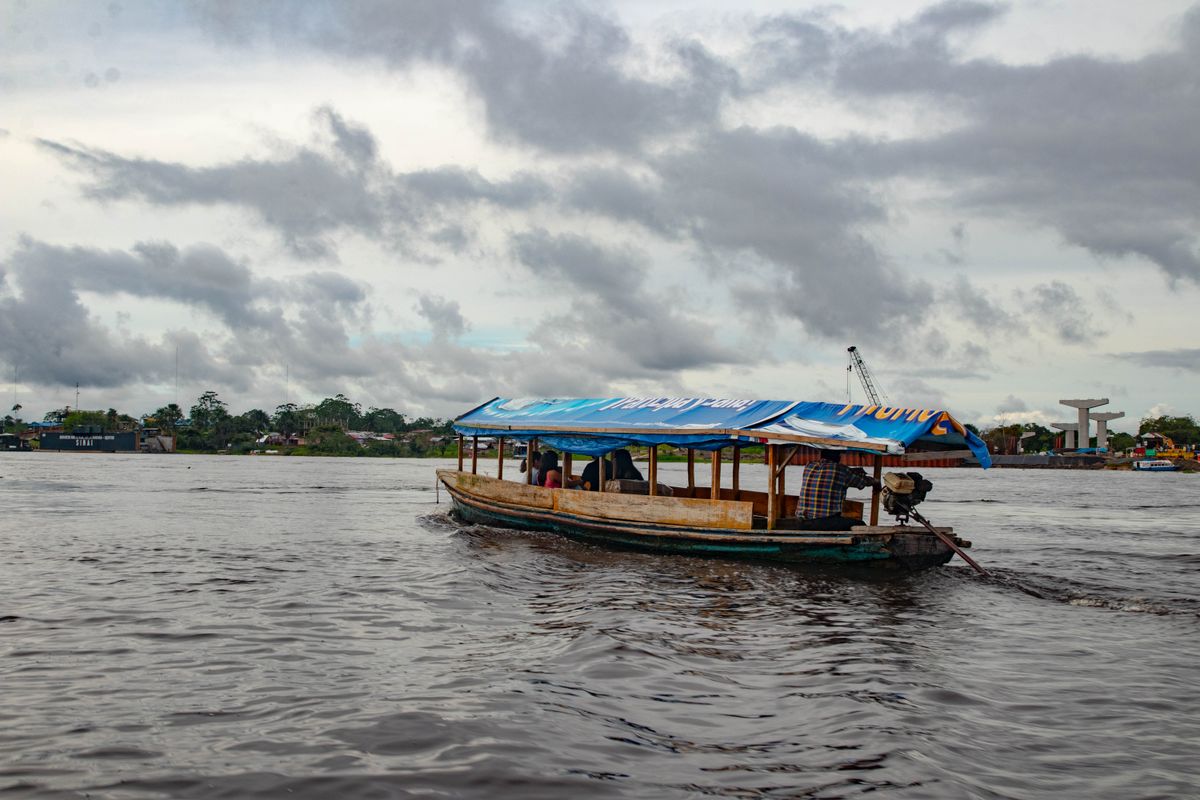
How piranha fishing works on jungle rivers
Piranha fishing on Amazon rivers relies on calm backwaters rather than the fast main current. Guides steer dugout or motorized canoes into flooded forest edges, oxbow lakes, and quiet side channels where piranhas gather to feed. The water is tannin-dark, so you fish by feel and sound instead of by sight.
The method is deliberately low-tech. You lower a baited hook a meter or so below the surface, then tap or splash the line to imitate a struggling animal. Piranhas are drawn to vibration and the scent of meat, and they strike hard and fast. Because they often steal bait without hooking themselves, the real skill is timing your pull the instant you feel contact.
Red-bellied piranhas, the species most travelers catch, are social fish that gather in groups. When one takes the bait, others usually move in, so a good spot can produce several fish in a short stretch of time. That fast feedback is what makes the activity so satisfying for beginners.
Gear, technique, and guide support
The gear for piranha fishing is simple enough to learn in under a minute:
- A short wooden pole or a hand line wound on a spool
- A length of strong monofilament line
- A single sturdy hook, since piranha teeth shred light tackle
- Small chunks of raw meat or cut fish for bait
Your technique matters more than your equipment. Drop the bait, let it settle, then jiggle the line to send out vibrations. When you feel a bite, snap the pole upward with a quick, firm motion. Piranhas have hard mouths and sharp teeth, so a gentle lift usually lets them escape with your bait.
Guides do the heavy lifting that keeps beginners from getting frustrated. They read the water, choose productive spots, bait the hooks, and unhook your catch safely so no one's fingers go near those teeth. At Jungle Wolf Expedition, piranha fishing is built into multi-day excursions from the lodge near Iquitos, with guides handling the gear and the fish while you focus on the fun part. If you are still deciding how long to stay, our comparison of a 3-day versus 5-day Amazon jungle tour can help you plan around activities like this one.
Safety: the myths versus the reality
Piranhas are far less dangerous to humans than movies suggest. The image of a swimmer stripped to bone in seconds comes largely from a staged spectacle that Theodore Roosevelt witnessed and then described in dramatic terms during his 1913 Amazon expedition, as the Smithsonian has documented. That single sensational account shaped a century of fear that the fish simply do not earn.
In reality, red-bellied piranhas are opportunistic omnivores. They eat insects, smaller fish, crustaceans, seeds, and plant matter, and they scavenge carrion when they find it. Healthy people routinely swim, bathe, and wade in piranha waters throughout the Amazon basin without harm. For a readable, science-based breakdown of the species and the Roosevelt legend, the Smithsonian's overview of piranha facts is a reliable starting point.
Documented bites do happen, but they are rare and almost always minor, typically occurring when someone disturbs a fish guarding its nest during breeding season or wades into water where food scraps have been dumped. The practical rules on a guided trip are easy: keep your hands away from a caught fish's mouth, let the guide do the unhooking, and follow local advice about where to swim. Handled this way, piranha fishing is a low-risk activity suitable for families.
Catch-and-cook experiences at the lodge
One of the best parts of piranha fishing is eating what you catch. Piranha is a traditional food along the Amazon, and the firm white flesh is mild rather than fishy. After an afternoon on the water, lodges often clean the catch and serve it the same day, usually grilled over an open flame or fried whole with rice, plantains, and lime.
This catch-and-cook rhythm turns a fishing outing into a full cultural experience. You see where your meal comes from, watch it prepared the way local families have done for generations, and taste the river directly. At Jungle Wolf Expedition, guides and kitchen staff coordinate so that a successful afternoon can become part of that evening's dinner back at the lodge.
If you want the broader picture of lodge life and daily rhythms before you book, our guide on what to really expect from an Amazon rainforest expedition covers how fishing fits alongside wildlife watching, night walks, and river excursions.
Best seasons and spots near Iquitos
The low-water season, roughly June through November, is the easiest time to fish for piranhas near Iquitos. As rivers fall, fish become concentrated in shrinking lakes, channels, and lagoons, so your bait reaches far more hungry mouths in a smaller area. Beaches and exposed banks also appear, opening up calm pools that are ideal for a relaxed afternoon of fishing.
During the high-water season, roughly December through May, the forest floods and fish spread out across a vast maze of submerged trees. Fishing still works, but the catch is less predictable because the piranhas have so much more territory and food to roam through. Many travelers enjoy this season for its easy canoe access deep into the flooded forest, where fishing blends with close wildlife encounters.
The best spots are the quiet off-river waters your guide knows well: oxbow lakes, flooded forest margins, and slow side channels away from boat traffic. These are the same productive backwaters where you might spot pink river dolphins or caimans between casts, which is why fishing is often paired with other excursions on the same outing.
Weather also shapes the experience. Early morning and late afternoon tend to produce the most consistent bites, when the heat eases and fish move into the shallows to feed. A light rain rarely stops the fishing, and overcast skies can even improve it. Your guide will time the outing around these windows, so a half-day trip usually lands you on the water when the piranhas are most active rather than during the slow midday lull.
Piranha fishing is a small, affordable experience that delivers an outsized memory, and it fits neatly into almost any multi-day itinerary. The simplest next step is to tell your lodge you want it included, then build your trip around the low-water months if your schedule allows. Reach out to Jungle Wolf Expedition to add a guided piranha fishing afternoon to your Amazon adventure near Iquitos.
Frequently asked questions
Is piranha fishing in the Amazon dangerous for tourists?
No. You fish from a boat or bank with a guide, and piranhas are not interested in people. Documented bites are rare and almost always minor.
What bait do you use to catch piranhas?
Guides use small pieces of raw meat or fish on a simple hook. Piranhas strike fast, so you jerk the line the moment you feel a tug.
When is the best time to fish for piranhas near Iquitos?
The low-water season from June to November is best, because falling rivers trap fish in smaller channels and lakes where they feed aggressively.
Can you eat the piranhas you catch?
Yes. Piranha is a common local food. Most lodges grill or fry your catch the same day, and the firm white meat is mild and tasty.
Do you need fishing experience to join a piranha trip?
No experience is needed. The gear is a hand line and a hook, your guide handles the tricky parts, and children often catch fish easily.
