

Key takeaways
- A jungle lodge gives you a fixed base deep in the forest, with early-morning and night excursions that river cruises rarely match.
- Travel time from Iquitos is the single biggest predictor of wildlife density: lodges three or more hours upriver reach quieter, richer habitat.
- Judge comfort by what you actually need, then weigh genuine eco-practices like licensed guides, waste handling and community hiring.
- Before booking, ask about guide ratios, group size, what the price includes and whether the operator holds the permits to enter protected reserves.
- For most first-time travelers, a lodge-based expedition balances access, comfort and cost better than a cruise.
The right Iquitos rainforest lodge comes down to three things: how far it sits from the city, how comfortable you need to be, and whether its guides can legally take you into protected forest. Get those right and the rest of the trip falls into place. This guide walks through each decision so you can compare lodges on substance rather than marketing photos, and book the one that matches how you actually want to travel.
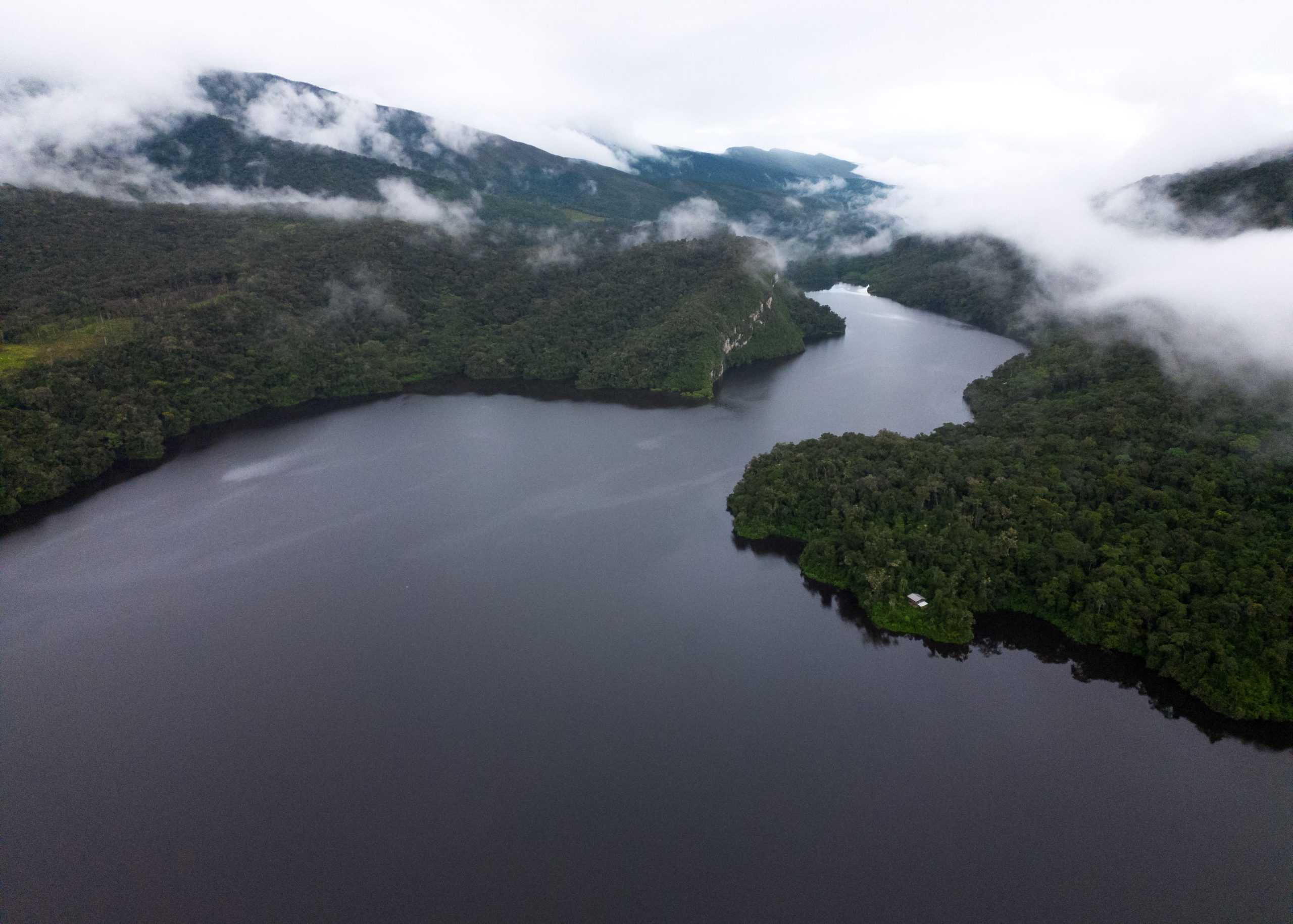
Iquitos is the launch point for nearly every Amazon trip in northern Peru. It is the largest city in the world you cannot reach by road, according to Wikipedia, with a metropolitan population of 471,993 and access only by river or air. That isolation is the whole appeal: the moment you leave the port, the forest takes over.
What Sets a Jungle Lodge Apart From a River Cruise
Both options explore the same river system, but they shape your days very differently.
A lodge gives you a fixed base inside the forest. You sleep in one place, wake to the sound of howler monkeys, and head out on foot or by small boat for each excursion. Because you are already there, you can be on a trail at 5 a.m. when birds are most active, or out again after dark for a night walk to spot frogs, spiders and caiman. That rhythm of short, repeated outings from a stable base is where lodges shine.
A river cruise keeps you moving. You cover long distances, sleep in a cabin, and explore by launching smaller skiffs from the main vessel. Cruises suit travelers who want hotel-level comfort, air conditioning and a new stretch of river each day. The trade-off is depth: you rarely spend enough time in one patch of forest to learn its trails, and night excursions on foot are limited.
For context on what a multi-day trip actually involves on the ground, it helps to read up on what to really expect on an Amazon rainforest expedition tour before you commit.
Location Matters: Distance From Iquitos and Wildlife Density
If you read nothing else, read this: travel time from Iquitos is the single best predictor of how much wildlife you will see.
The forest closest to the city carries decades of human pressure. Hunting, farming and boat traffic thin out the larger animals, so lodges an hour or less from the port tend to deliver fewer sightings. Push three or more hours upriver and the forest gets quieter, the water clearer, and the odds of spotting pink river dolphins, monkeys and large birds climb sharply.
The richest habitat sits inside protected reserves. Pacaya-Samiria National Reserve, the giant flooded forest southwest of Iquitos, covers 2,080,000 hectares and protects 1,025 vertebrate species, 449 bird species and 965 species of wild plants, per Peru's official protected-areas authority, SERNANP. Entering it requires permits and licensed guides, so a lodge's access to this kind of protected zone tells you a lot about the quality of the experience on offer.
Jungle Wolf Expedition bases its trips in forest reached by a few hours of river travel from Iquitos, far enough from the city to put real distance between you and the crowds. Season also shapes what you see from any lodge, so plan around the high-water and low-water periods, which change both access and sightings.
Iquitos Rainforest Lodge Amenities, Comfort and Eco-Friendly Practices
Lodges span a wide range, from rustic shelters to screened cabins with private bathrooms. Decide what you genuinely need before you pay for more.
Think through these practical points:
- Rooms and bathrooms. Mid-range and upper lodges usually offer private bathrooms, proper beds and mosquito screening. Rustic options may share facilities and rely on candlelight or solar lamps.
- Power. Few remote lodges run electricity around the clock. Many use generators for set hours or solar for charging. Confirm how and when you can charge a camera or phone.
- Food and water. Ask how meals are prepared and whether safe drinking water is provided. Dietary needs are easier to meet at larger, better-staffed lodges.
- Access to the forest. The best lodges sit beside trails and waterways, so excursions start steps from your door rather than after a long transfer.
Eco-practices matter here too, and not only for the environment. A lodge that hires and trains local guides, manages its waste properly and works within reserve rules is usually one that also runs safer, better-informed trips. Peru requires licensed guides and permits to enter protected areas like Pacaya-Samiria, so a lodge that meets those standards is signaling real professionalism. Look for operators that employ residents of nearby communities, limit group sizes and avoid baiting or handling wildlife.
Questions to Ask Before You Book a Lodge Stay
A short list of direct questions separates a serious operator from a slick website. Send these before you pay a deposit:
- How far is the lodge from Iquitos, and how long is the river transfer? This frames every wildlife expectation.
- What is the guide-to-guest ratio and maximum group size? Small groups see more and move quietly. Large groups scatter wildlife and leave you waiting.
- Are your guides licensed, and can you legally enter protected reserves? Both affect what you can see and whether the trip is run properly.
- What exactly does the price include? Pin down transfers, meals, excursions, park fees and equipment so the quote you compare is the real one.
- What wildlife is realistic for my dates? An honest answer about the season beats a promise of guaranteed sightings. Our overview of wildlife you can spot on a Peruvian Amazon tour helps you set expectations.
- What is the plan if weather disrupts an excursion? Good operators adapt rather than cancel.
If an operator dodges these or answers only in brochure language, treat that as a signal.
Why a Lodge-Based Expedition Suits Most Travelers
For a first Amazon trip, a lodge usually wins on the three things that matter most: access, comfort and cost.
Access, because a fixed base inside the forest lets you be out at dawn, at dusk and after dark, when the Amazon is most alive. Comfort, because you can pick a lodge that matches your tolerance for roughing it, from screened cabins to simpler shelters, without overpaying for a floating hotel. Cost, because lodges generally run well below the price of a comparable river cruise while putting you closer to the forest, not farther from it.
Cruises still have their place for travelers set on covering long distances in hotel-grade comfort. But if your goal is to walk the trails, learn a patch of jungle and maximize wildlife per dollar, a lodge-based expedition is the stronger choice for the money.
Start by shortlisting two or three lodges, then send each the six questions above. Compare the answers side by side, confirm travel time from Iquitos and what the price truly includes, and book the one that gives you the most forest for your budget. When you are ready to plan dates and logistics, reach out to Jungle Wolf Expedition and we will help you match a lodge stay to the wildlife you most want to see.
Frequently asked questions
How far from Iquitos should an Amazon lodge be?
Aim for a lodge at least two to three hours upriver. Properties closer to the city sit in more disturbed forest with thinner wildlife, while remote lodges reach quieter habitat with better sightings.
Is a jungle lodge better than an Amazon river cruise?
For most travelers, yes. A lodge costs less, puts you on forest trails at dawn and dusk, and offers night walks that cruises cannot. Cruises suit those who prioritize comfort and covering long distances over deep forest immersion.
What should I ask before booking an Iquitos rainforest lodge?
Ask about guide-to-guest ratios, maximum group size, exactly what the quoted price includes, the guides' licensing, and whether the operator can legally enter protected reserves like Pacaya-Samiria.
Do Iquitos lodges have electricity and private bathrooms?
It varies. Mid-range and upper lodges usually offer private bathrooms, screened rooms and scheduled generator power. Rustic lodges may use shared facilities, candlelight and solar lamps. Confirm the details before you book.
